Rainforests, River Safaris & the Underwater World of Borneo
There are still places in the world that feel truly wild, and Sabah in Borneo, Malaysia (Sabah Tourism) is definitely one of them.
Located in the northern part of Borneo, Sabah combines ancient rainforests, remote rivers, rare wildlife, and some of the most biodiverse oceans on Earth into one incredibly diverse destination. One day you’re photographing orangutans deep in the jungle, the next you’re diving alongside massive schools of barracuda near Sipadan.
Over the course of almost two weeks, I explored different parts of Sabah, from the oceanfront sunsets of Kota Kinabalu to the dense rainforests of Danum Valley and the turquoise waters surrounding Sipadan. What surprised me most wasn’t just the wildlife, but how immersive the entire experience felt. Sabah is not a place you simply visit. It’s a place you fully experience.


Getting to Sabah
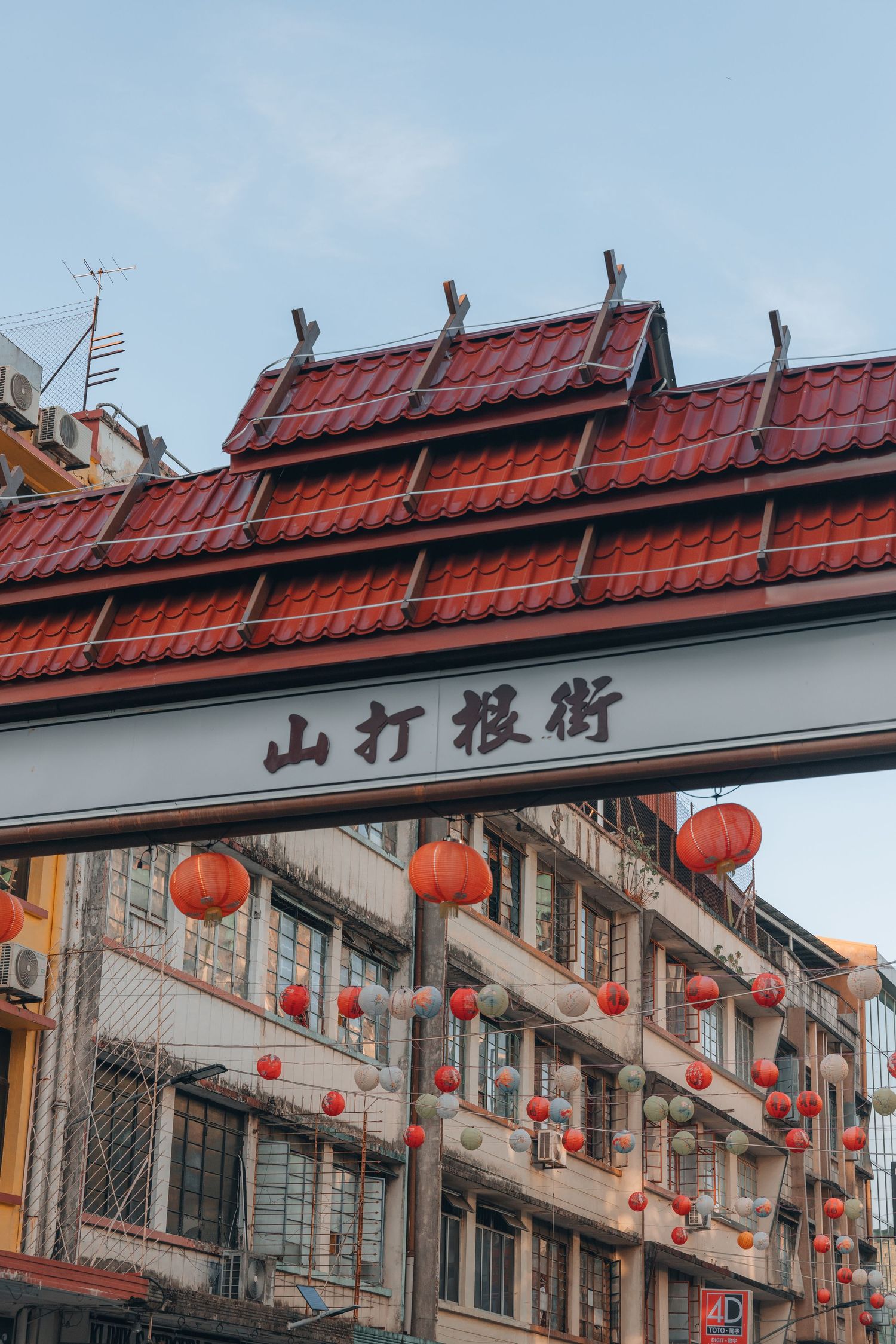
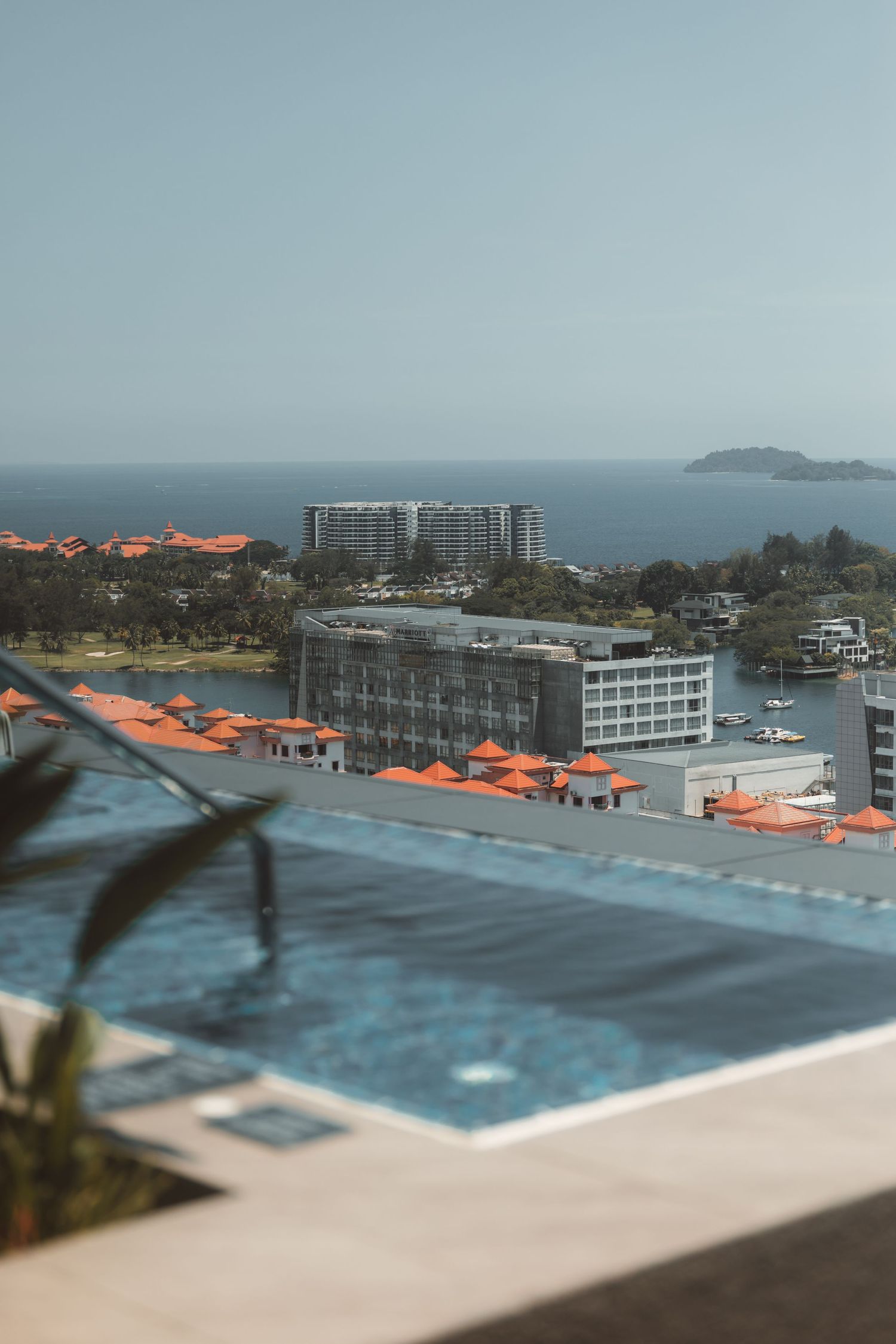
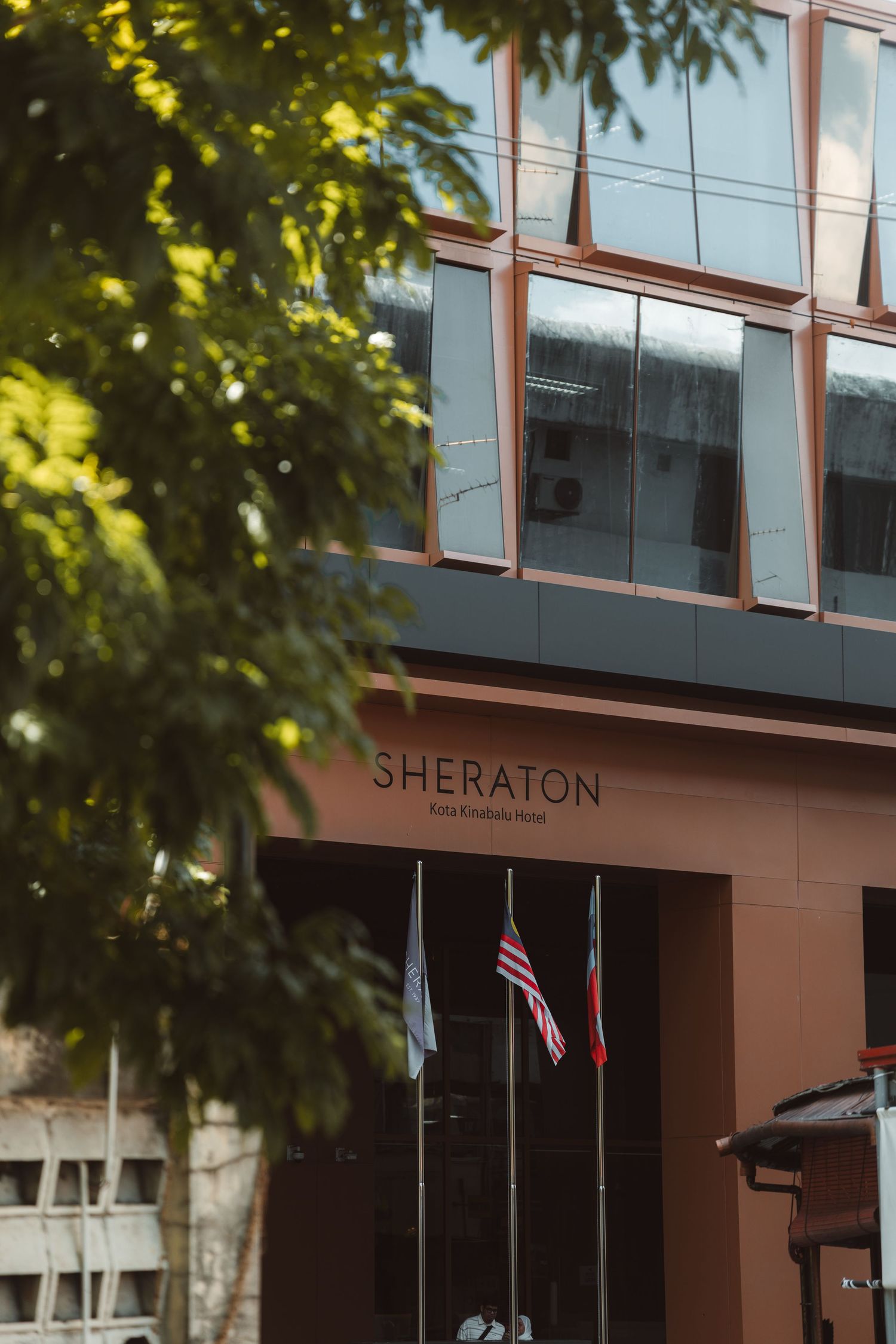
Most journeys through Sabah begin in Kota Kinabalu, the capital city located on the northwest coast of Borneo. The city is well connected with international flights from destinations such as Singapore and Kuala Lumpur, alongside many direct routes from China and across Southeast Asia.
Kota Kinabalu is the perfect gateway into Borneo. The city itself has a relaxed coastal atmosphere with beautiful sunsets, oceanfront restaurants, and views toward the surrounding mountains, including Mount Kinabalu in the distance on clear days. While many travelers continue directly into the rainforest, I’d definitely recommend spending at least a day or two here to ease into the slower pace of Sabah.
From Kota Kinabalu, domestic airlines like AirAsia make it easy to reach more remote parts of Sabah such as Sandakan and Tawau.
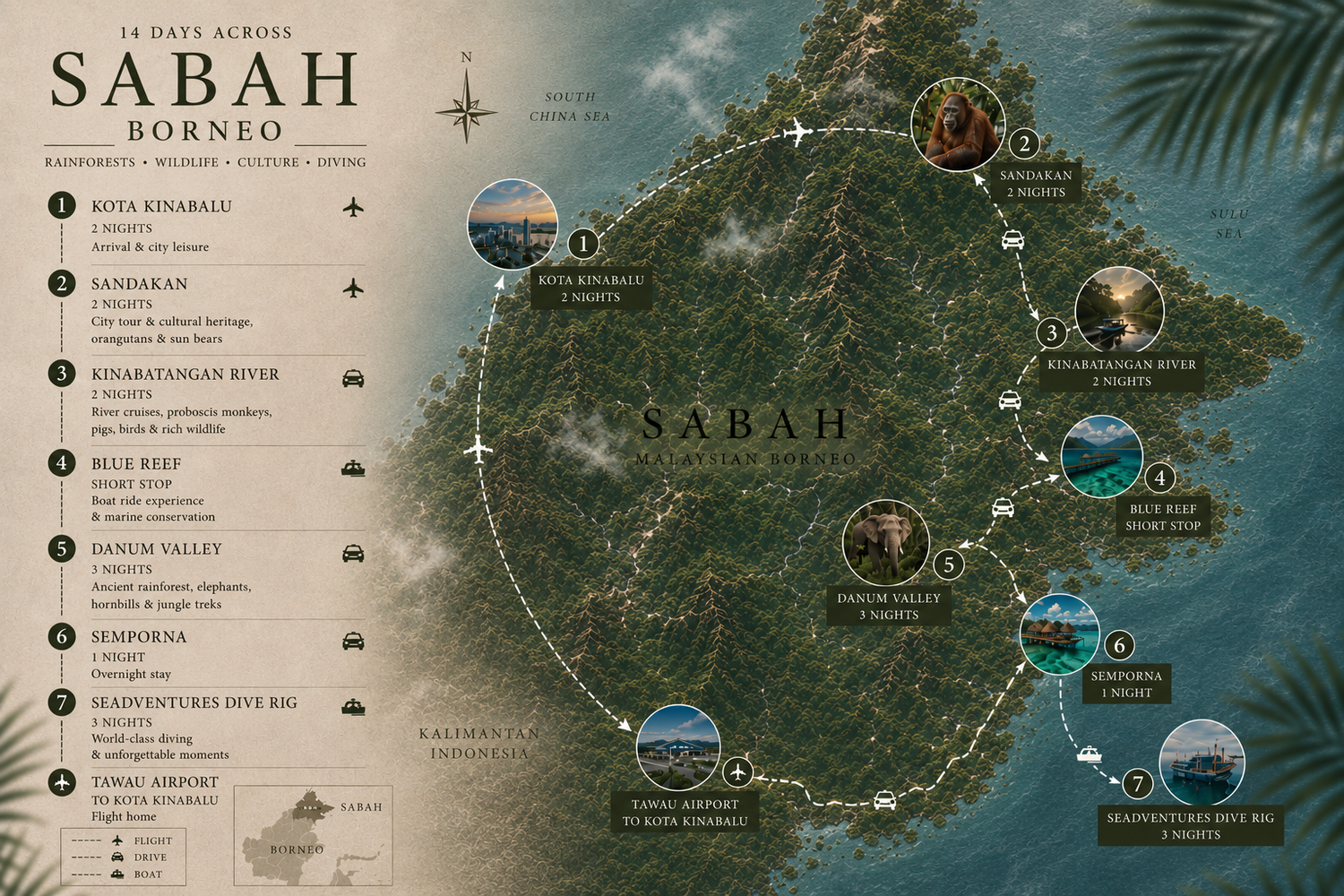
My route through Sabah looked like this:
- 2 nights in Kota Kinabalu
- 2 nights in Sandakan
- 2 nights along the Kinabatangan River
- 3 nights in Danum Valley
- 3 nights at Seaventures Dive Rig near Sipadan
- 1 night Semporna
It turned out to be the perfect balance between rainforest adventure, wildlife photography, and ocean exploration.
Into the Rainforest: Sepilok & Sandakan
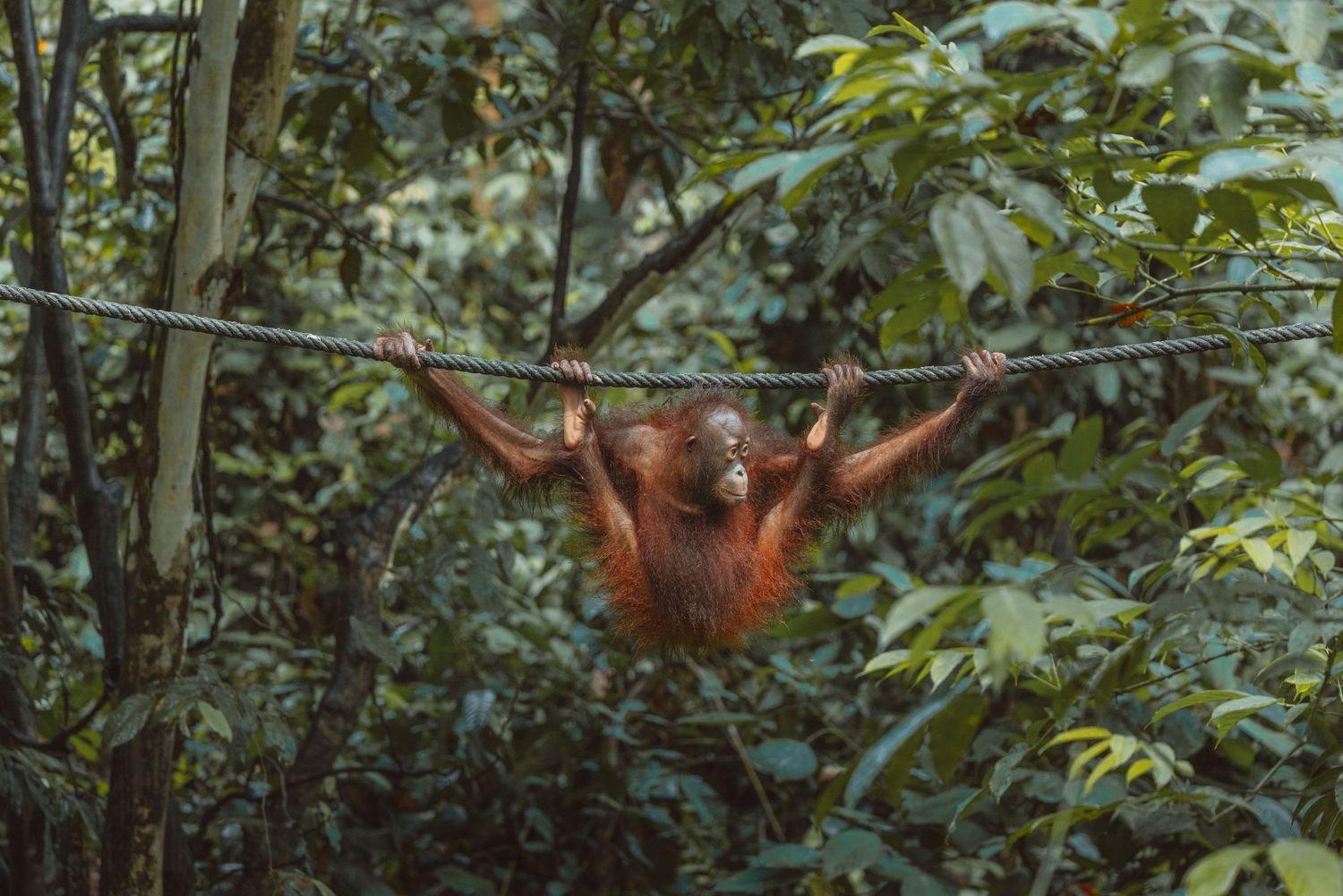
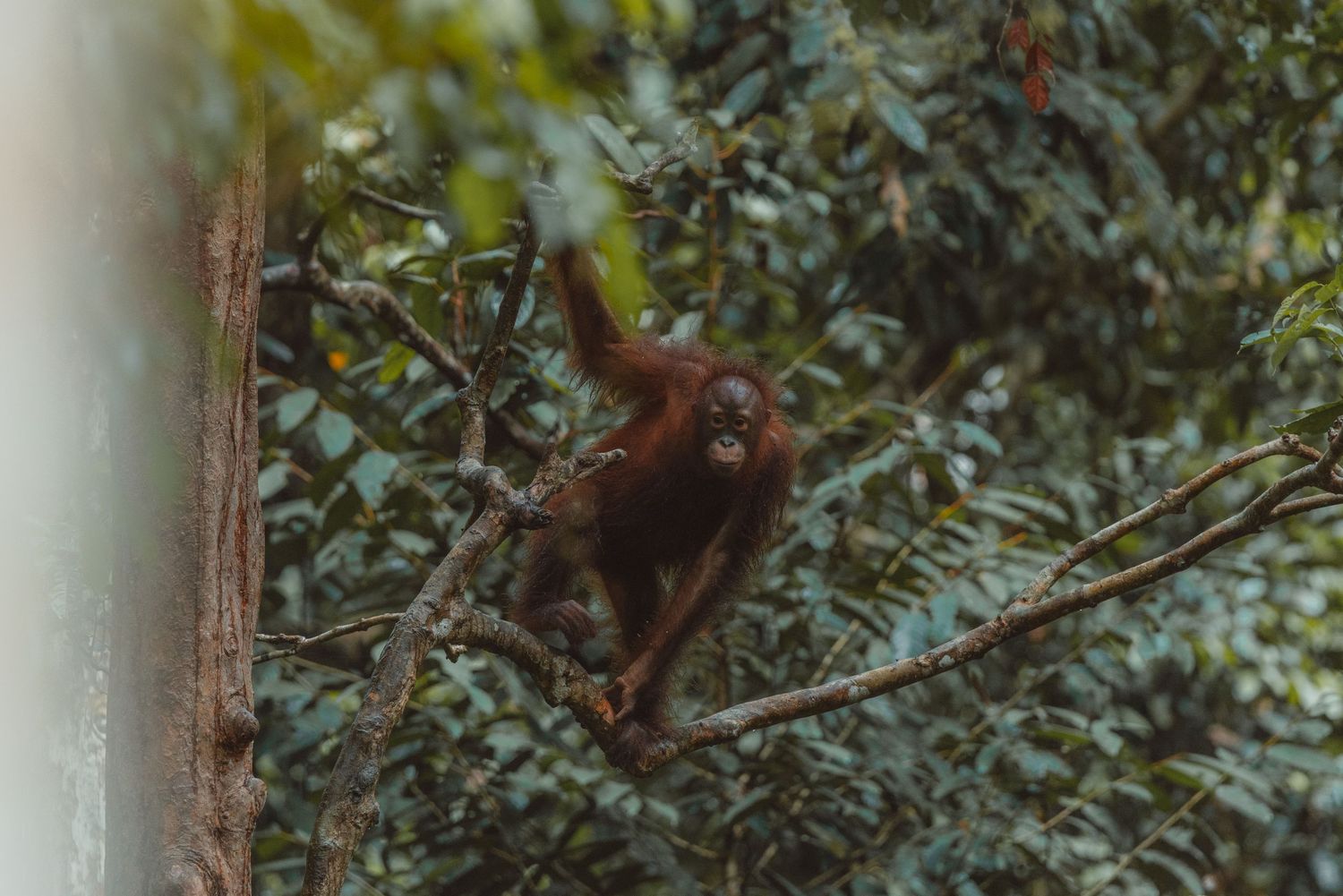
One of the first major highlights of the trip was visiting the Sepilok Orangutan Rehabilitation Centre just outside Sandakan.
Seeing orangutans up close for the first time was honestly surreal. Watching them move through the rainforest feels incredibly human at times, slow, intelligent, curious, and expressive. The sanctuary focuses on rehabilitating orphaned and rescued orangutans before eventually releasing them back into the wild, while also educating visitors about the importance of protecting Borneo’s rapidly disappearing rainforest habitat.
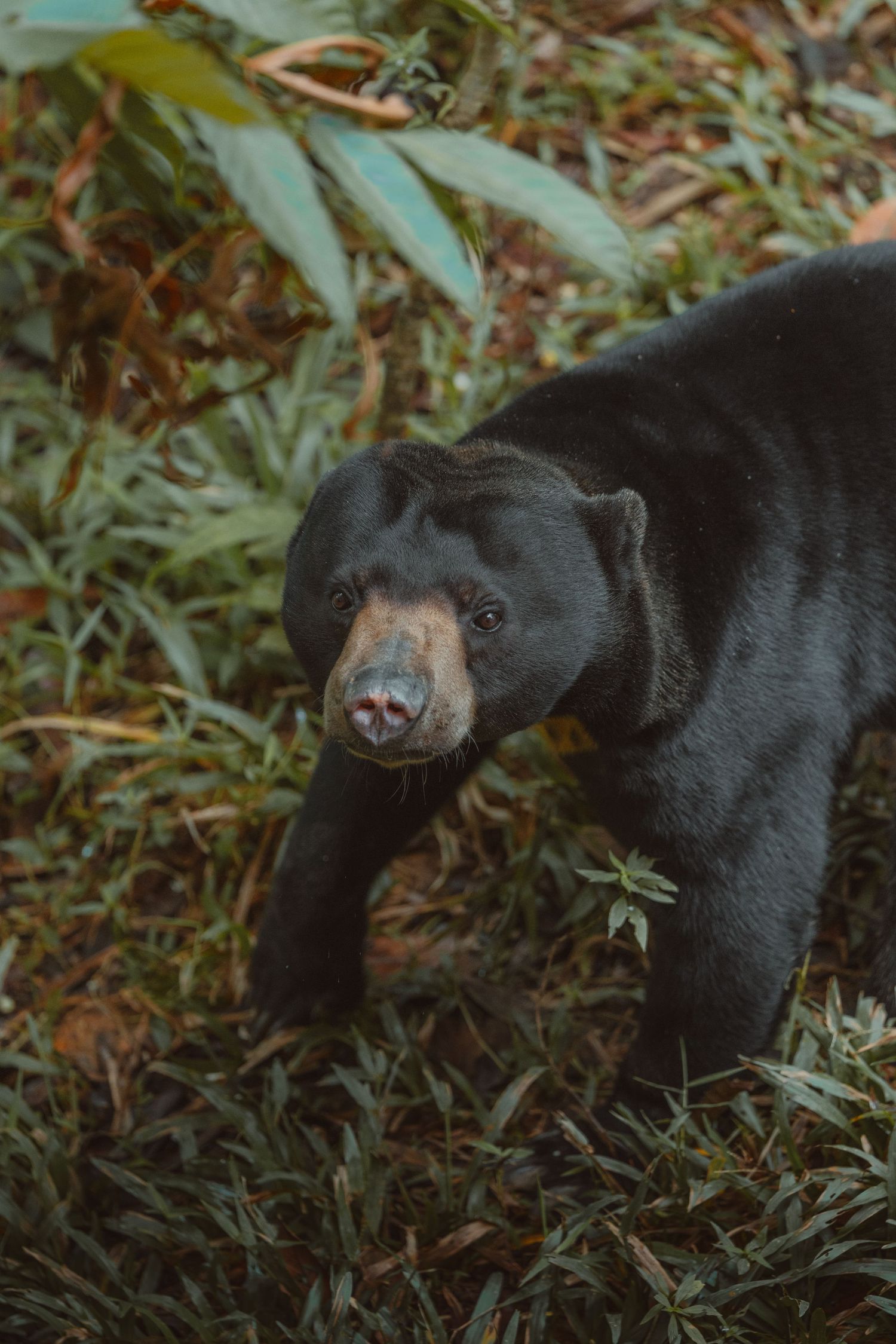
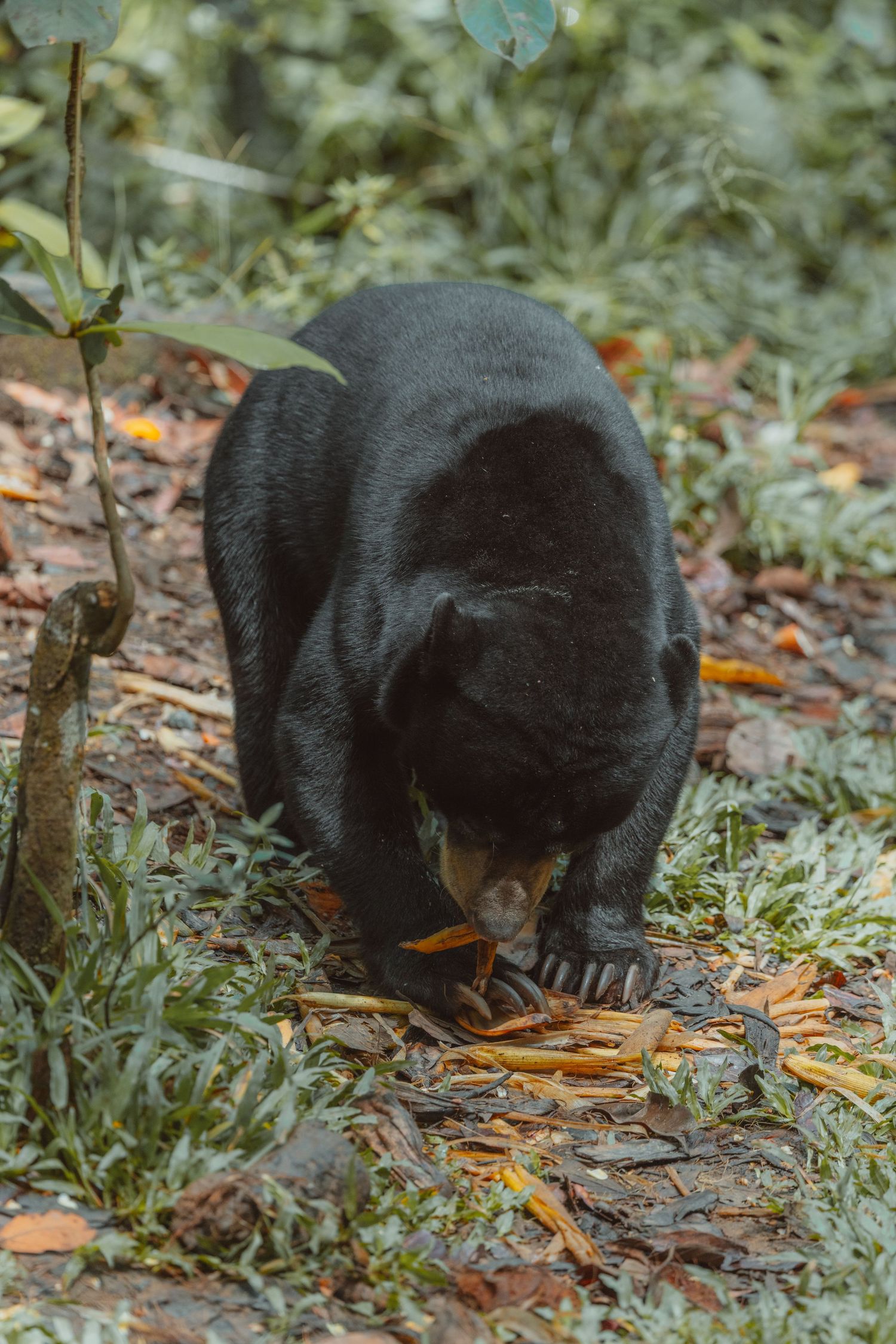
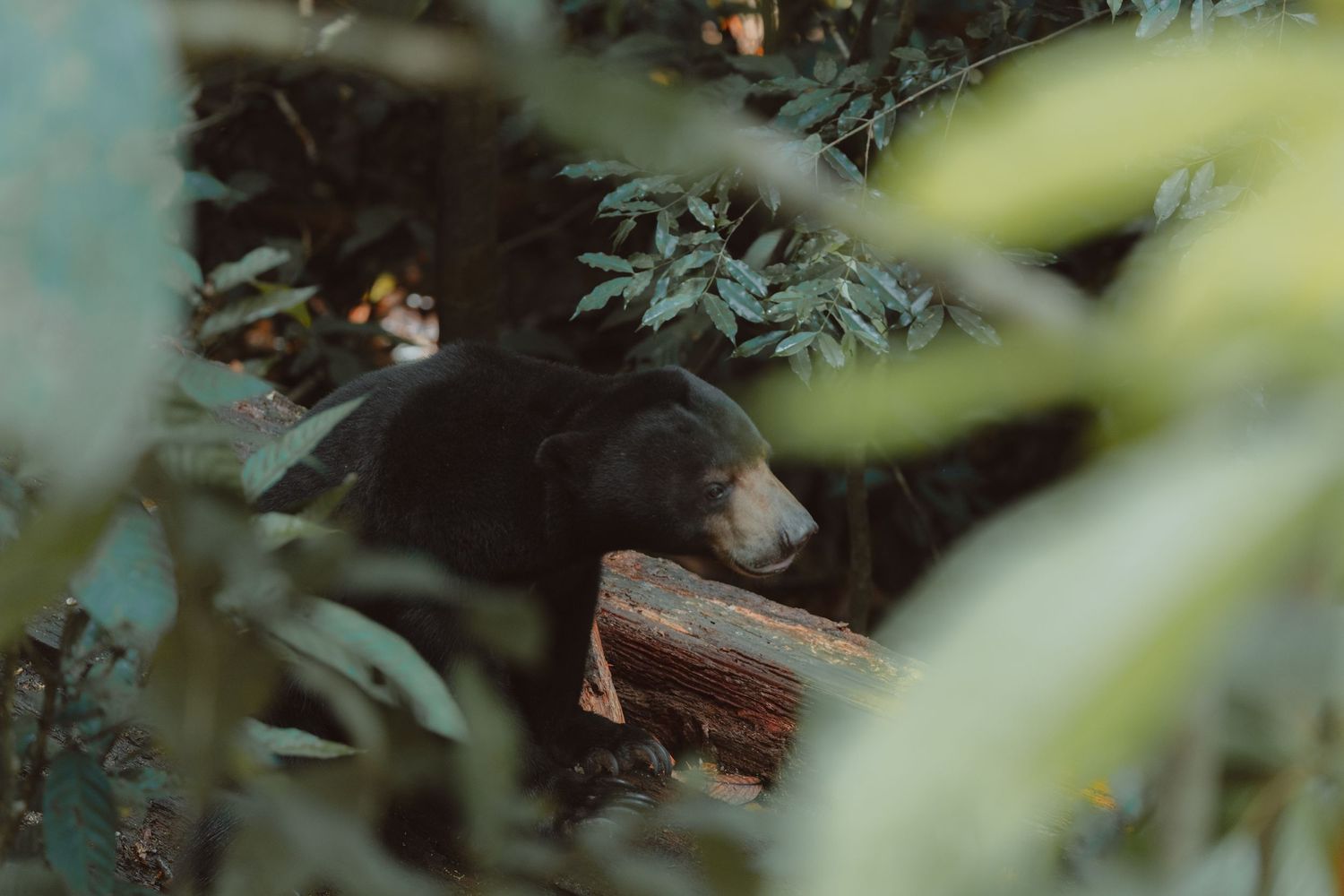
Right next door is the Bornean Sun Bear Conservation Centre, home to the world’s smallest bear species. Sun bears are extremely difficult to spot in the wild, so visiting the sanctuary offers a rare chance to observe them while learning more about the conservation efforts happening across Borneo.
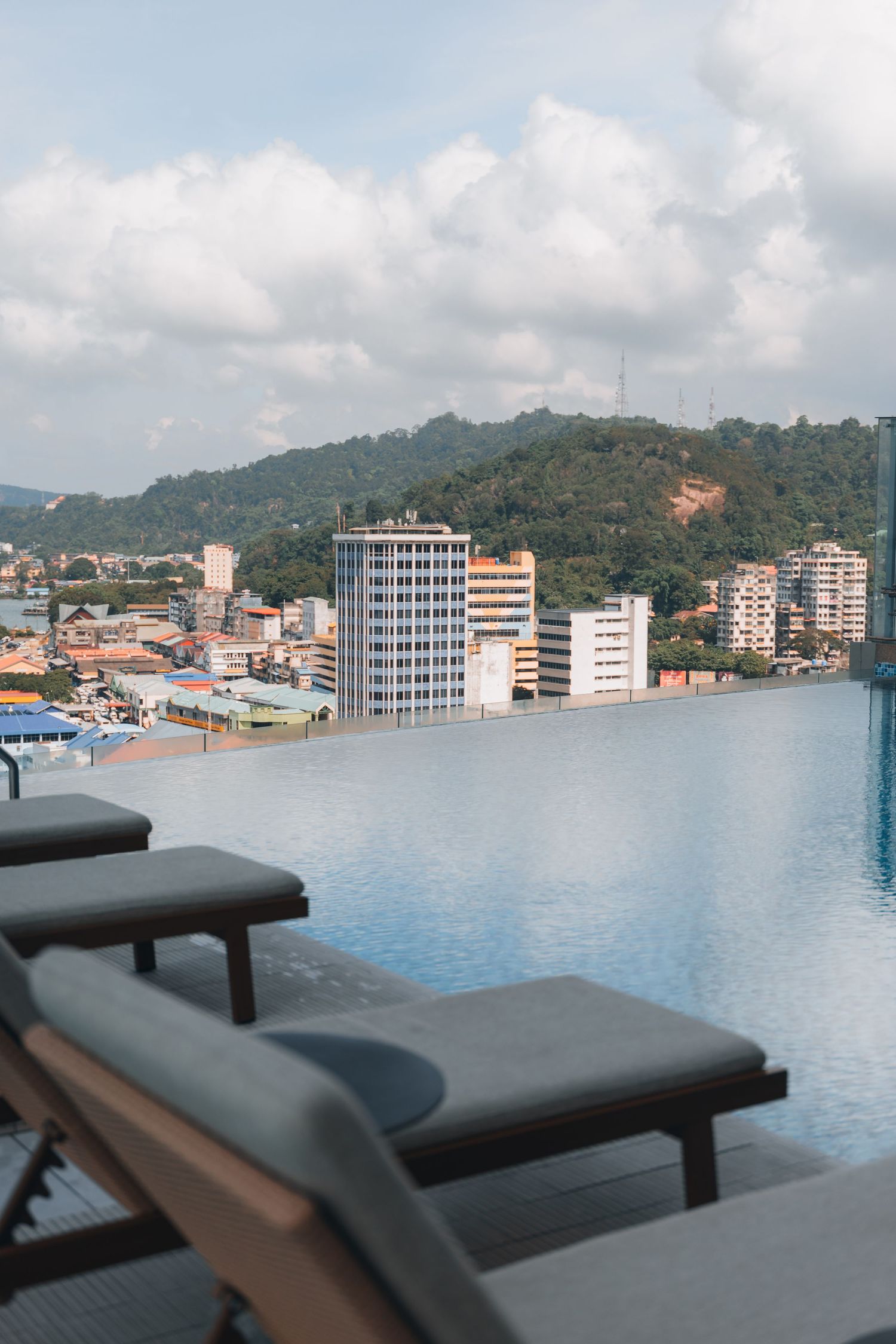
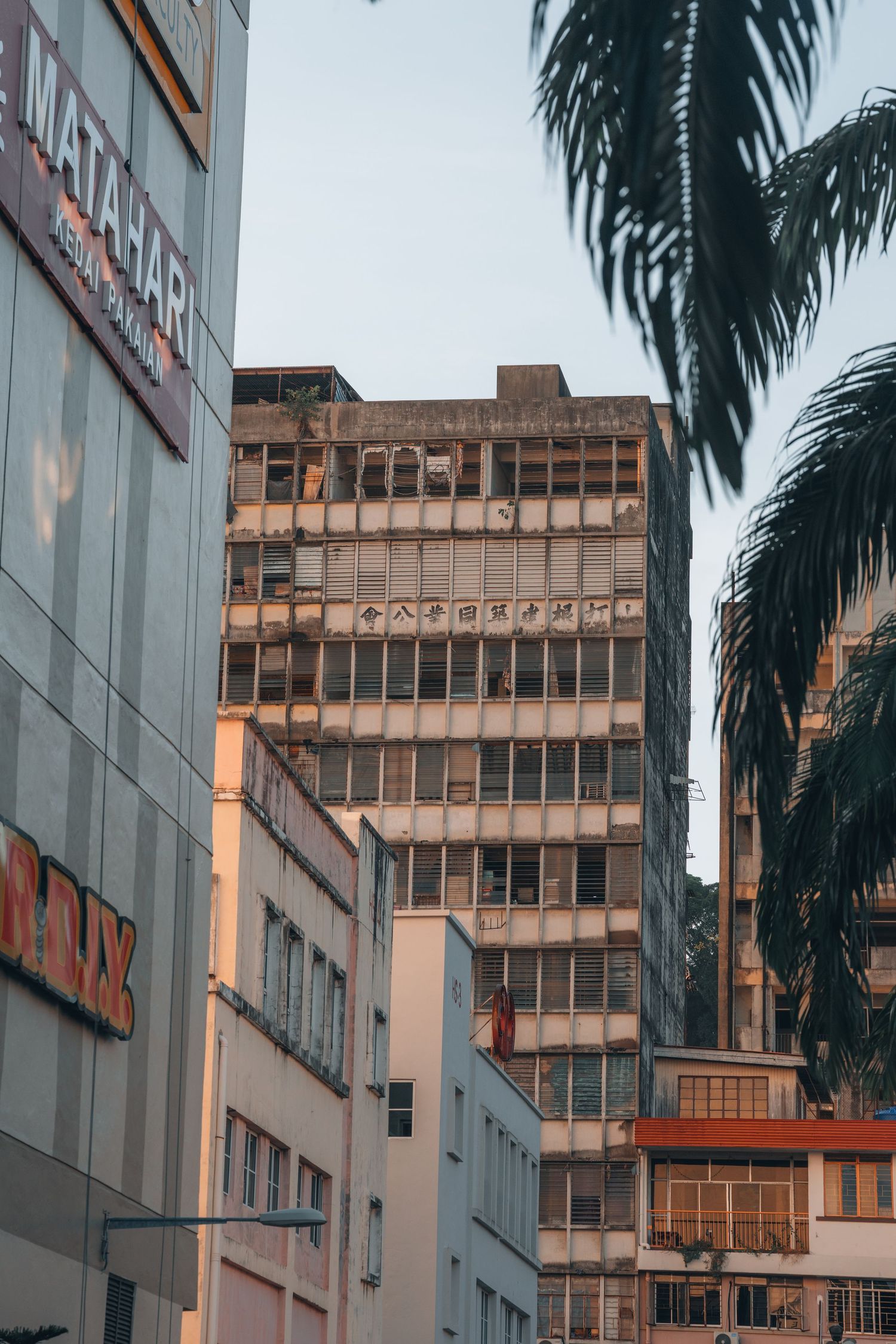
After visiting Sepilok, I spent two nights in Sandakan itself. The city feels authentic, slightly chaotic at times, humid, energetic, and deeply connected to Sabah’s wildlife and rainforest culture. It may not be polished in the traditional luxury travel sense, but that’s exactly what makes it interesting.
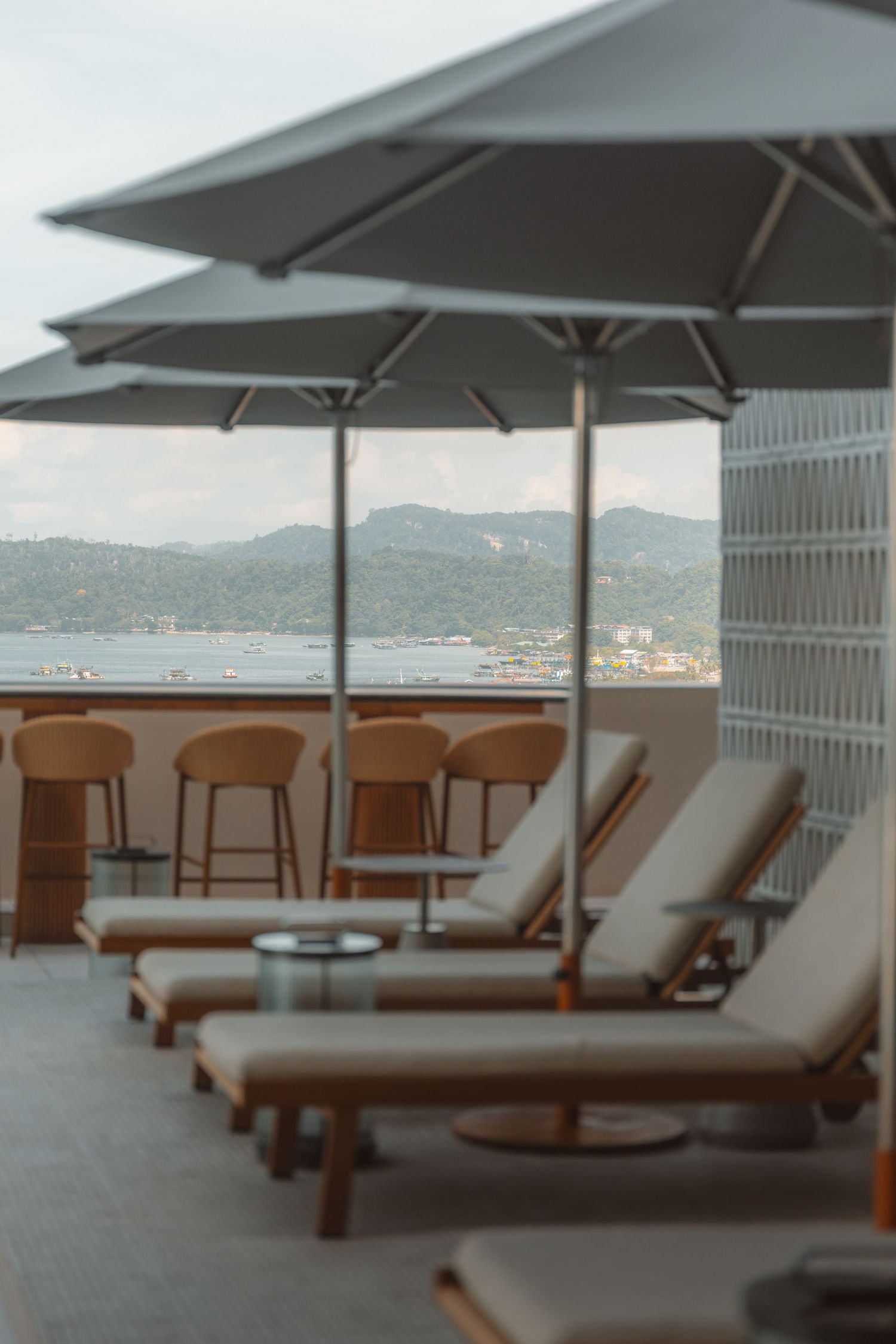
During my stay, I checked into the The Ormond Hotel, which made for a really comfortable and stylish base while exploring the area. The ocean views from Sandakan were one of my favorite parts of the city.
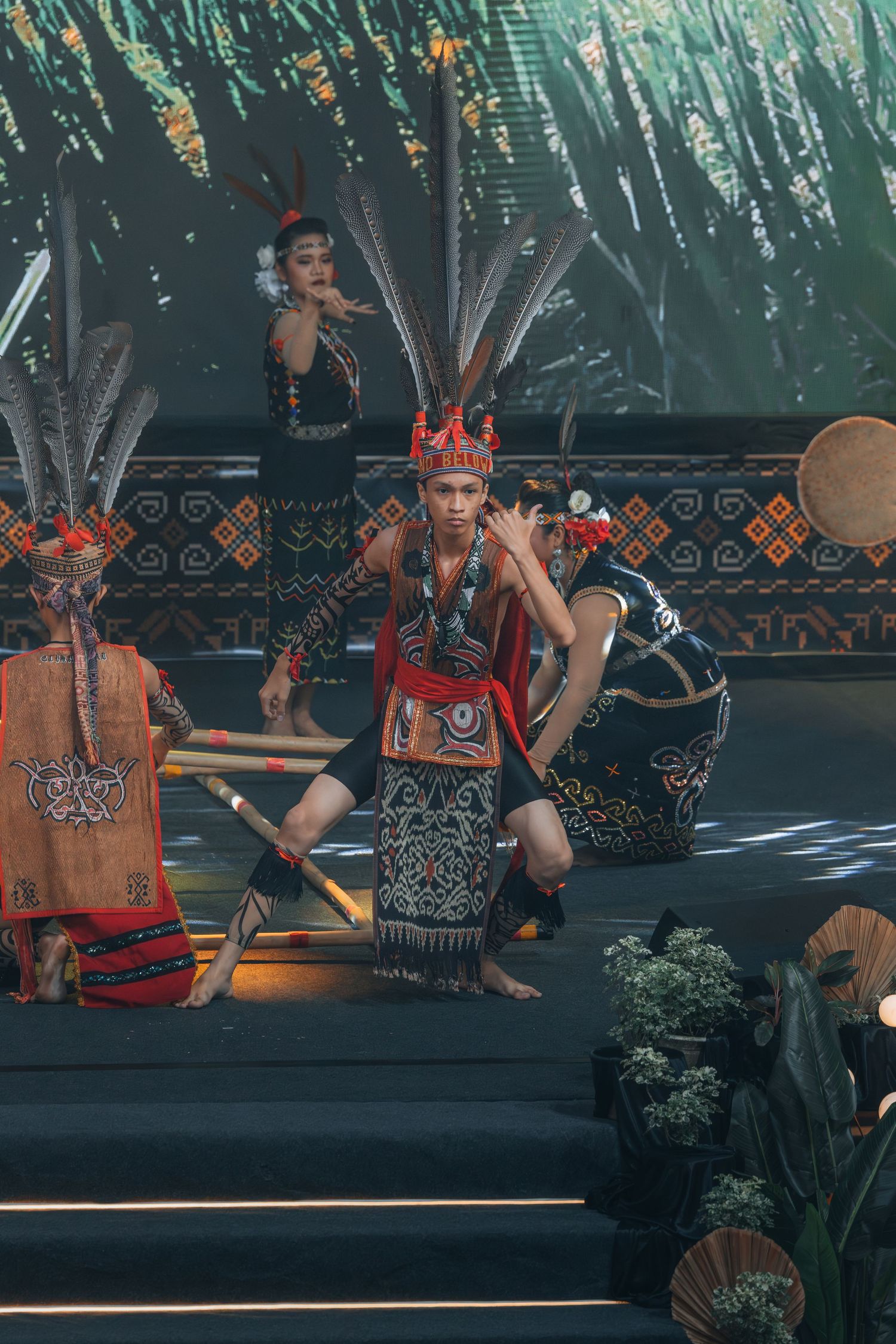
One thing I’d definitely recommend is checking whether any cultural festivals or local events are happening during your visit. By coincidence, I arrived during part of the Kaamatan harvest celebrations, where traditional dances, music performances, and cultural showcases were happening throughout the city. Experiences like this add an entirely different layer to the trip beyond just wildlife.

Mornings on the Kinabatangan River
From Sandakan, the journey continued with a roughly two-and-a-half-hour drive deeper into the rainforest toward the legendary Kinabatangan River.
The further you travel inland, the more the scenery begins to change. Roads become rougher, villages smaller, and eventually the rainforest completely takes over the landscape.
For the next two nights, I stayed at Tanini Kinabatangan Lodge, located directly along the riverbanks. Life here revolves around river safaris and wildlife spotting, and honestly, the atmosphere alone makes this place special.
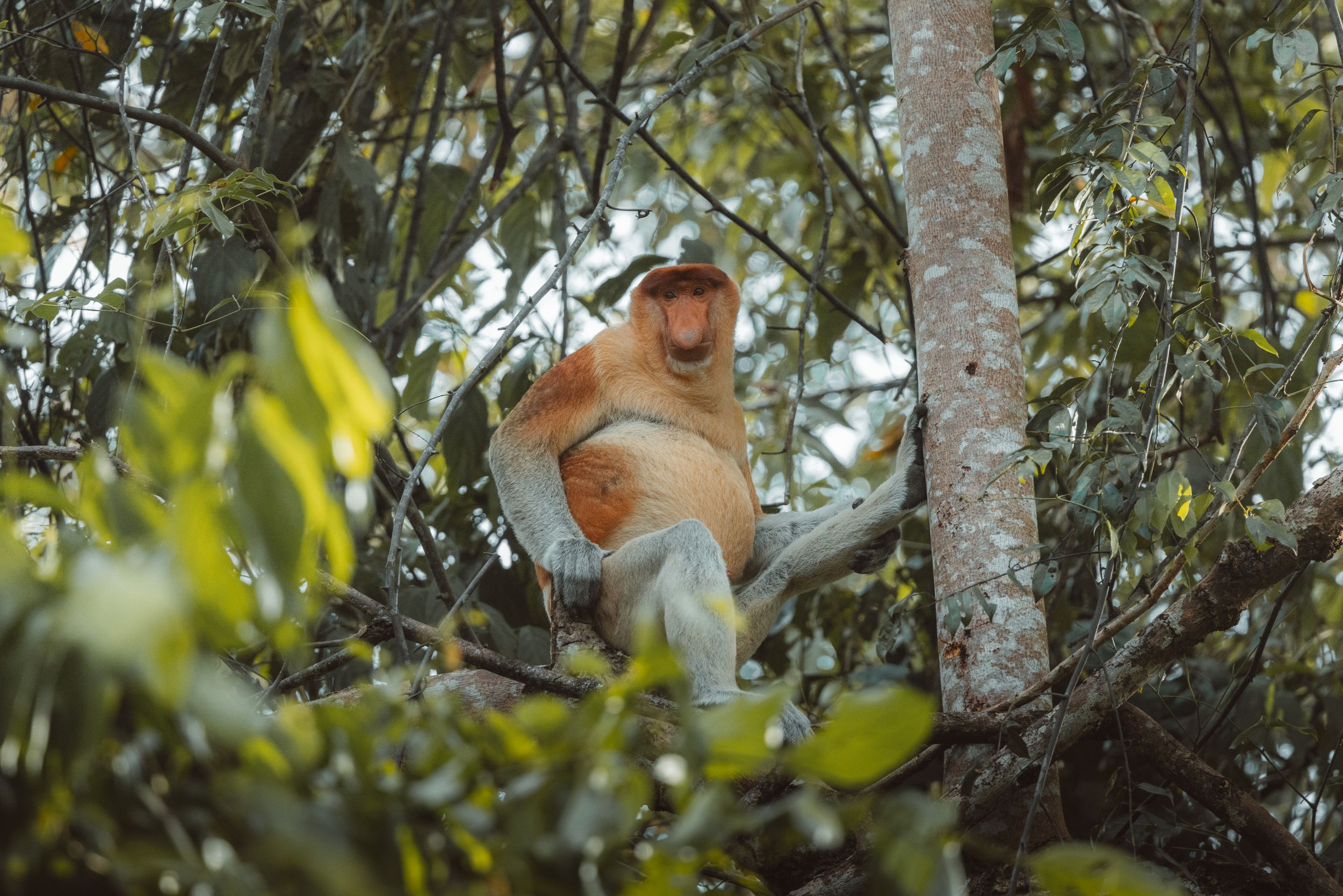
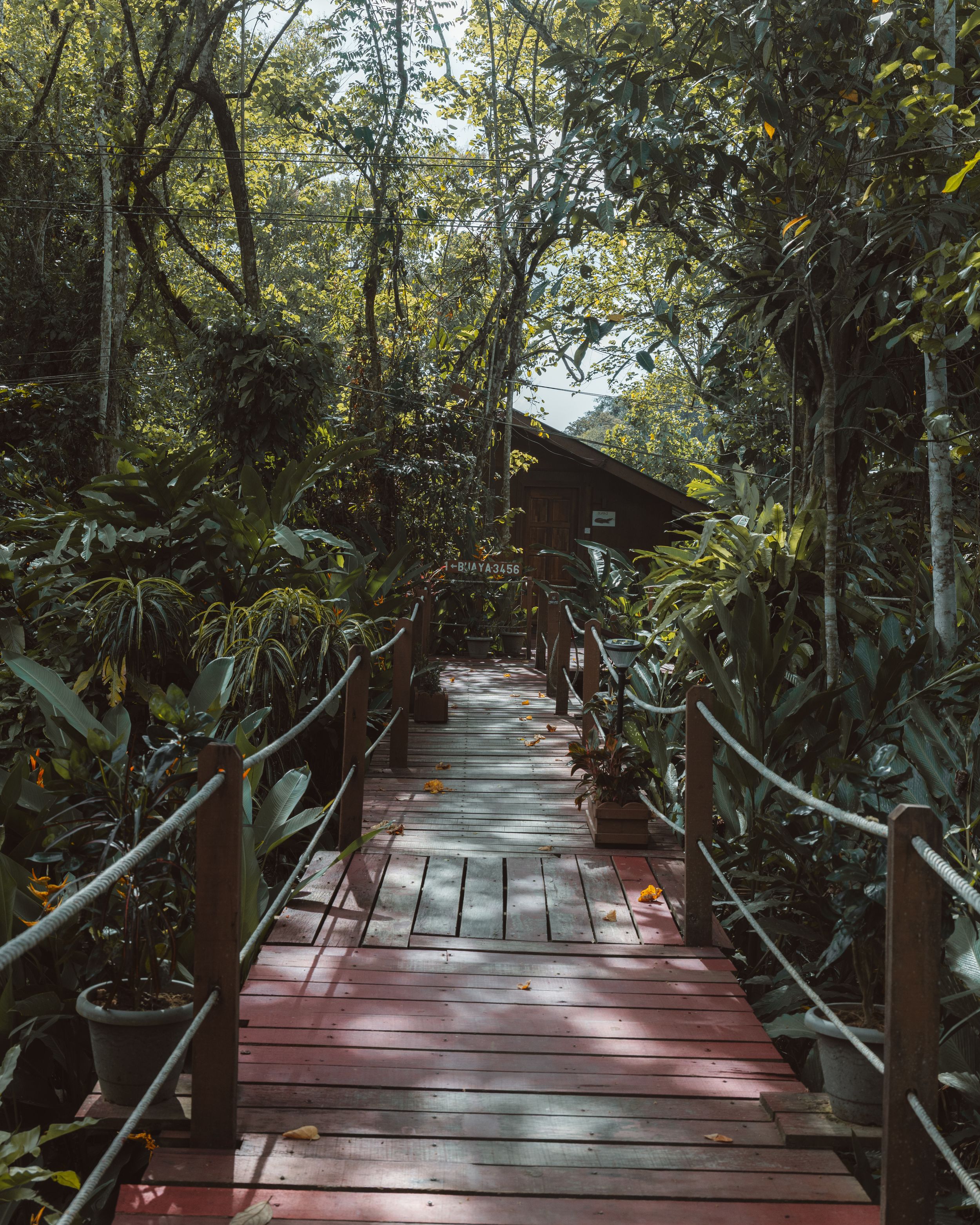


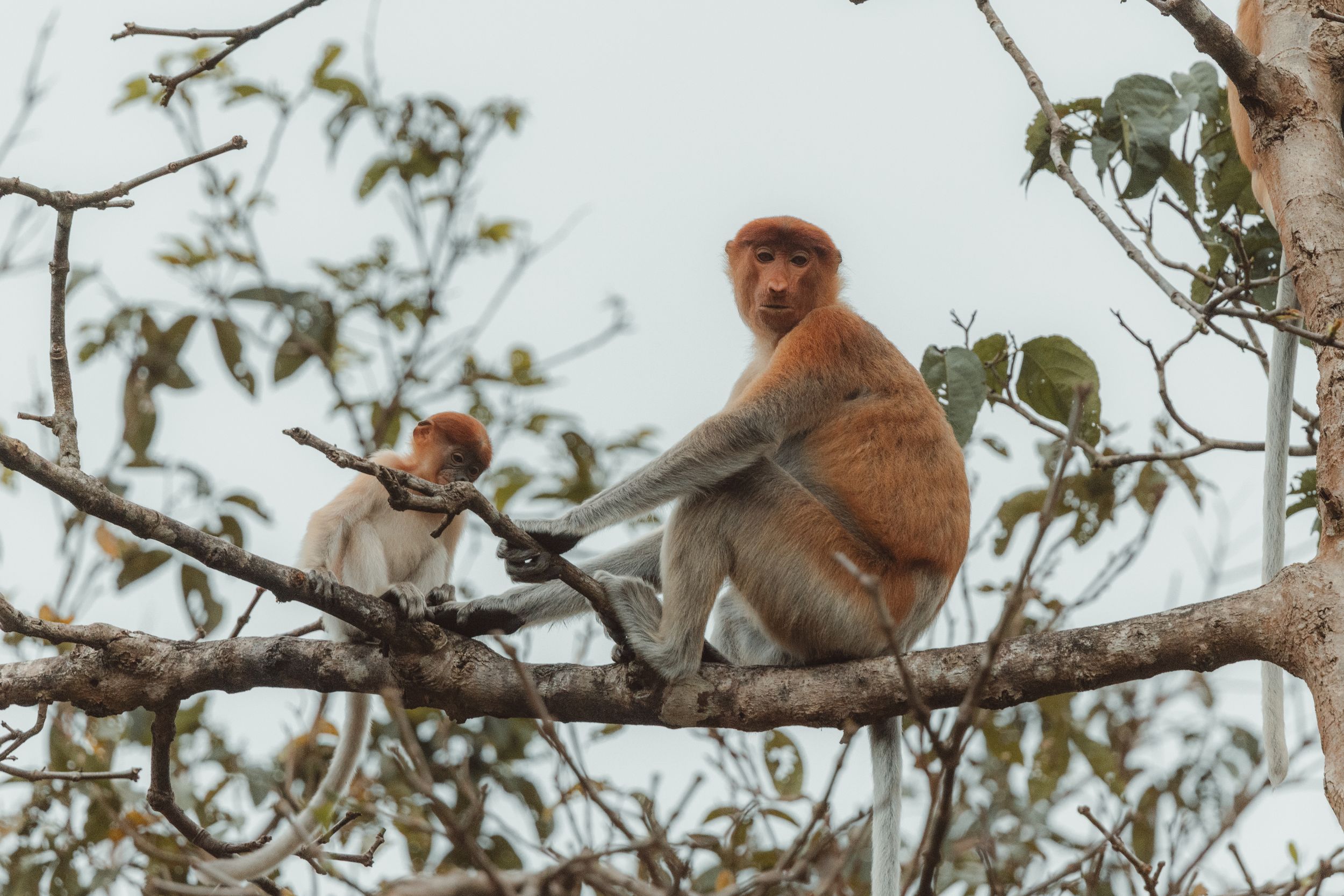
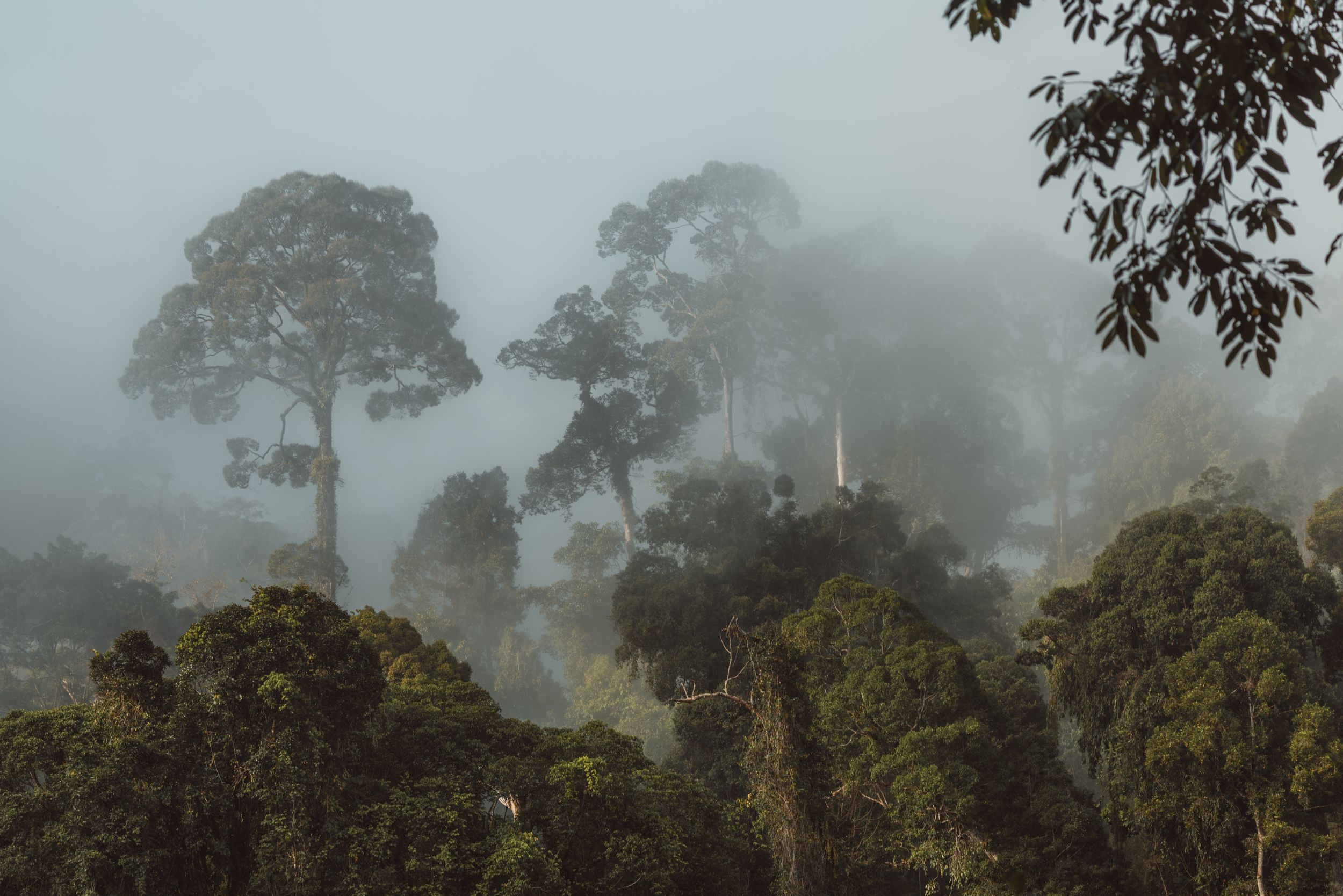
Mornings on the Kinabatangan River were probably some of my favorite moments of the entire trip. Low-hanging fog slowly drifted across the river while hornbills flew overhead and the jungle gradually woke up around us. Everything felt calm, peaceful, and immersive.
Most days revolve around sunrise and sunset cruises along the river, searching for wildlife hidden within the dense rainforest.
Some of the species you can regularly spot here include:
- Proboscis monkeys
- Macaques
- Crocodiles
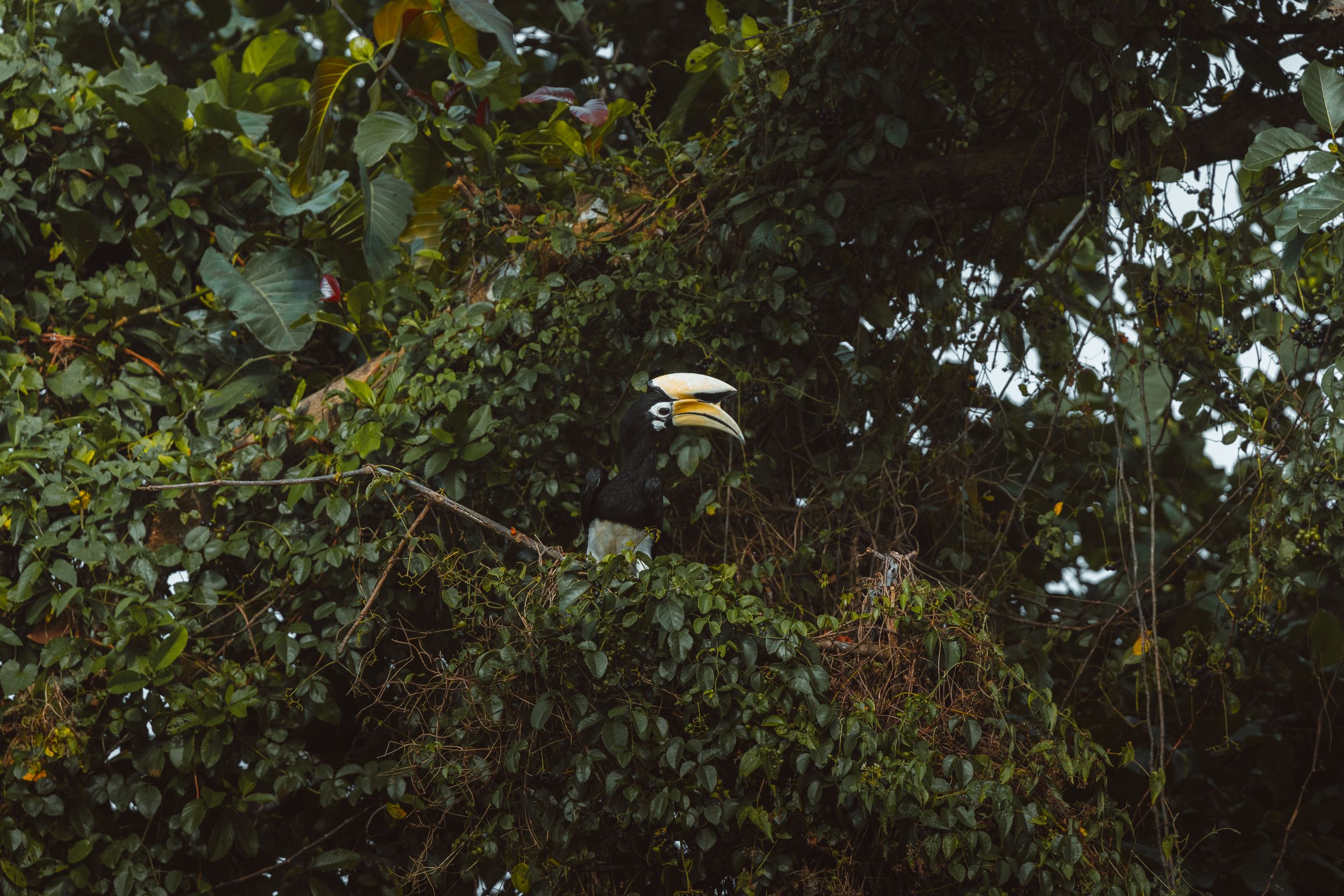
- Hornbills
- Monitor lizards
- Countless bird species
We had multiple incredible sightings of proboscis monkeys during our time on the river, often incredibly close to the boat.
At night, guided jungle walks offer a completely different perspective of the rainforest. Frogs, spiders, sleeping birds, insects, and nocturnal creatures suddenly emerge from the darkness while the sounds of the jungle become even more intense.
For wildlife photographers, Sabah quickly becomes addictive.
Blue Ring Reef: A Hidden Underwater Experience Near Danum Valley
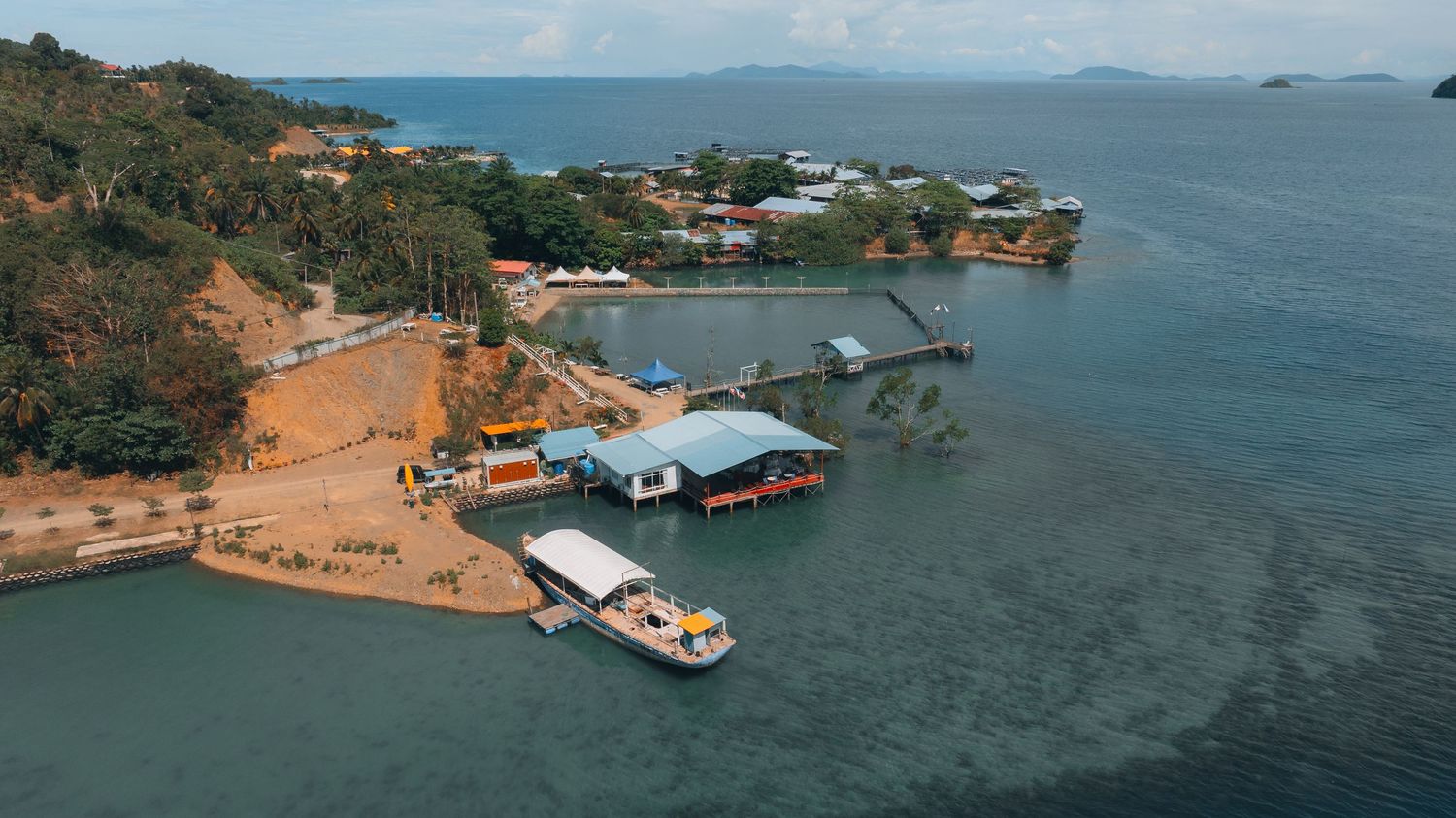
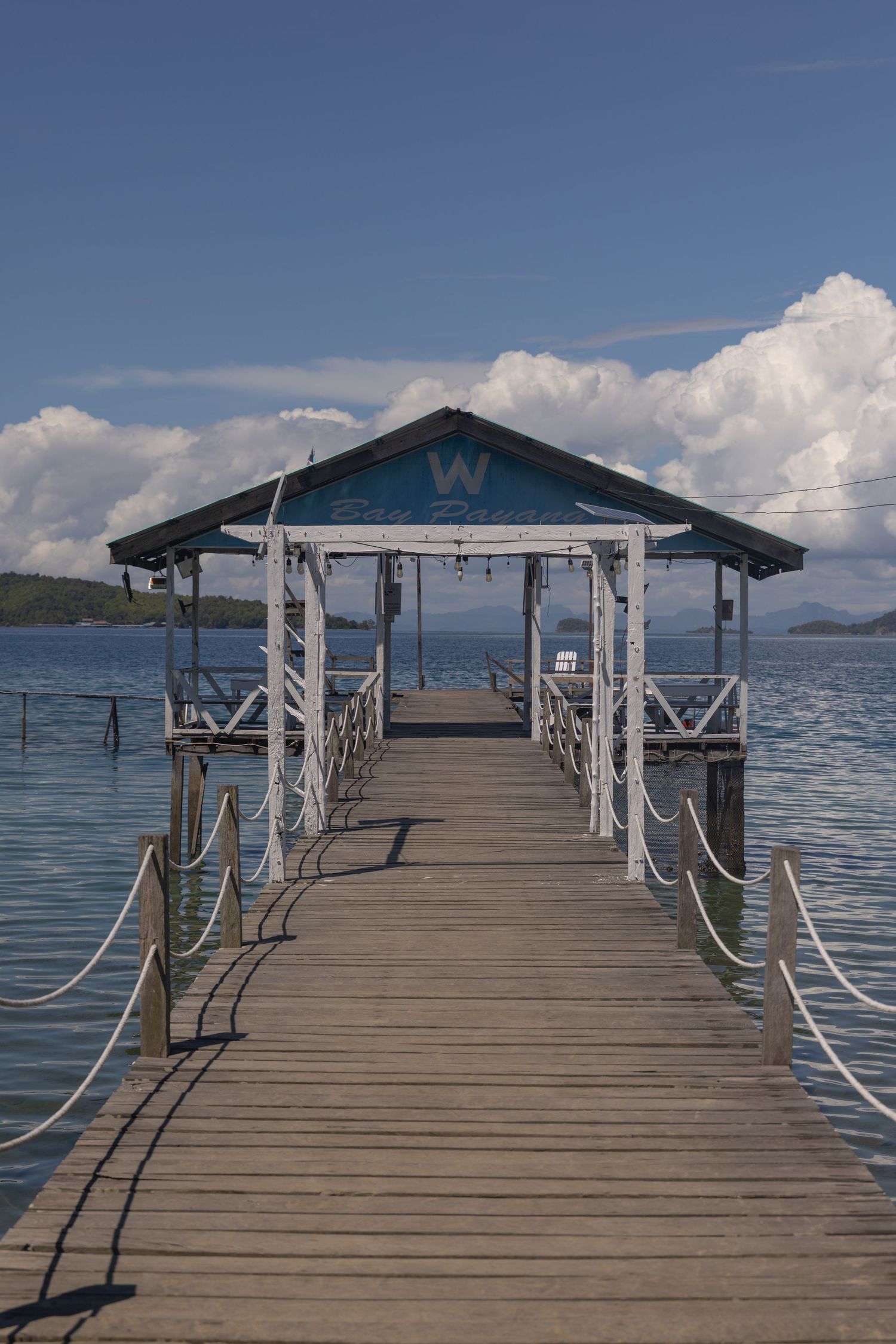
Before continuing deeper into the rainforest toward Danum Valley, I had the chance to experience one of the most unexpected highlights of the trip, the incredible Blue Ring Reef near Lahad Datu.
What makes this experience especially unique is that access to the reef is closely connected to the nearby eco lodge experience itself, making it feel far more exclusive and untouched compared to many of the more commercial dive destinations across Southeast Asia.
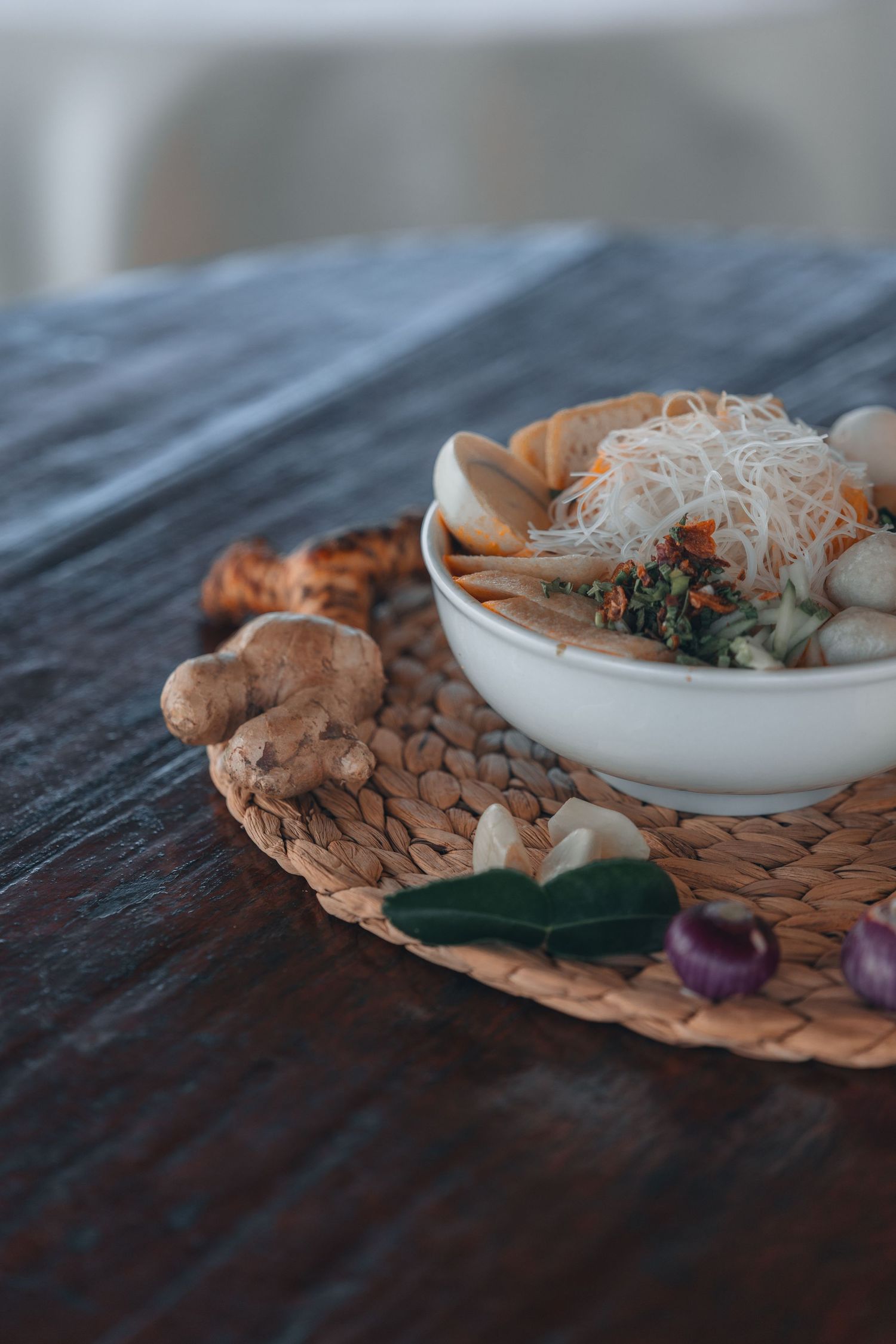
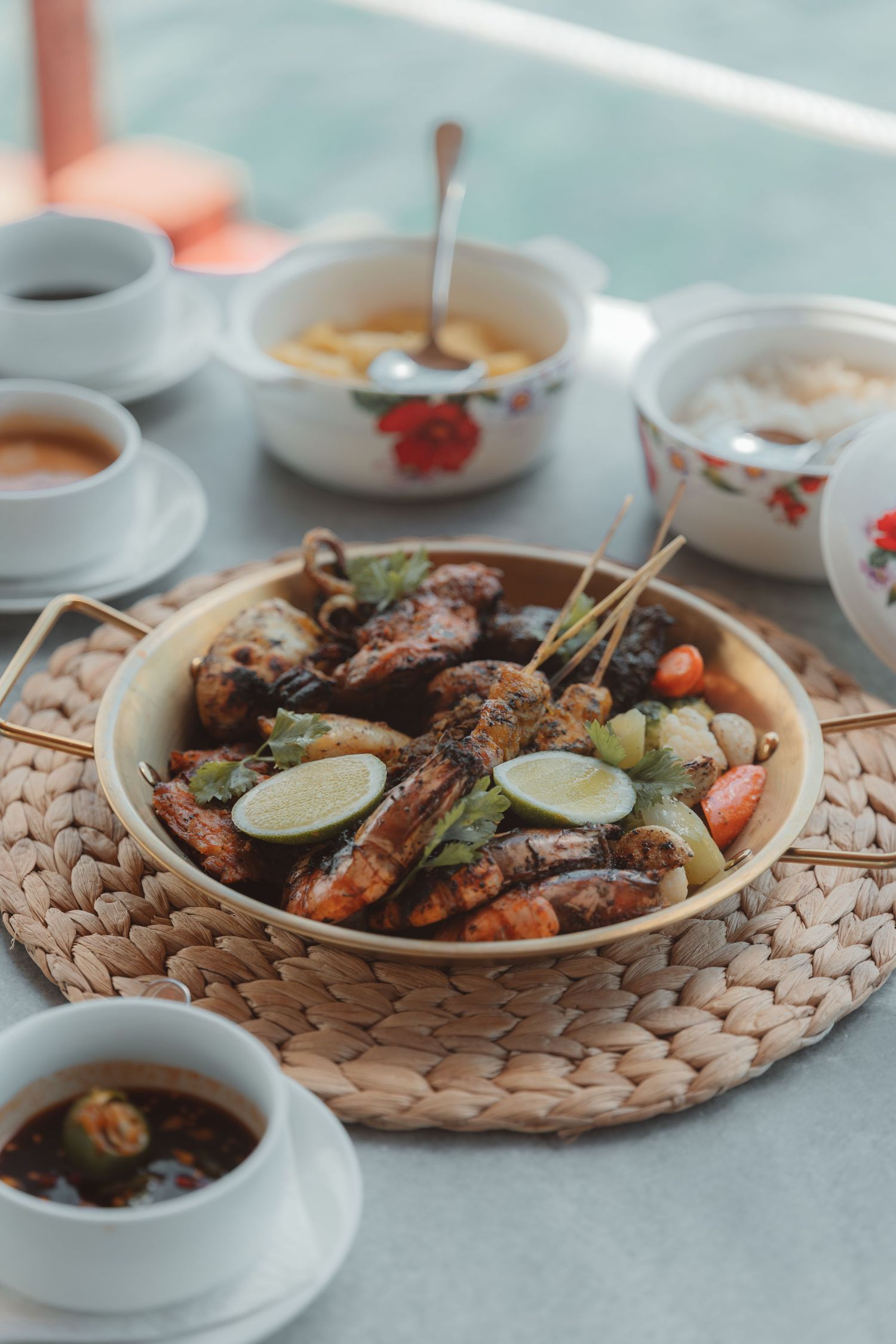
After arriving at the eco lodge, we were welcomed with incredible local food before heading out onto the water. One of the highlights for me was the freshly prepared laksa and barbecue after returning from the reef, which somehow tasted even better after spending hours out in the ocean.
Once out on the water, the scenery completely changes. Crystal-clear turquoise water, vibrant coral formations, and barely another boat in sight. During my visit, it genuinely felt like we had the entire reef to ourselves.
Whether snorkeling or diving, the underwater world here was spectacular. The coral felt incredibly healthy and full of life, creating an experience that felt peaceful, remote, and surprisingly untouched.
What I loved most about Blue Ring Reef was the contrast it added to the journey. One day you’re floating above coral reefs in warm tropical water, and the next you’re heading deep into one of the oldest rainforests on Earth.
And somehow, that contrast is exactly what makes Sabah so special.
A Different World: Danum Valley
If there was one place during the journey that truly felt like entering another world, it was Danum Valley Conservation Area.
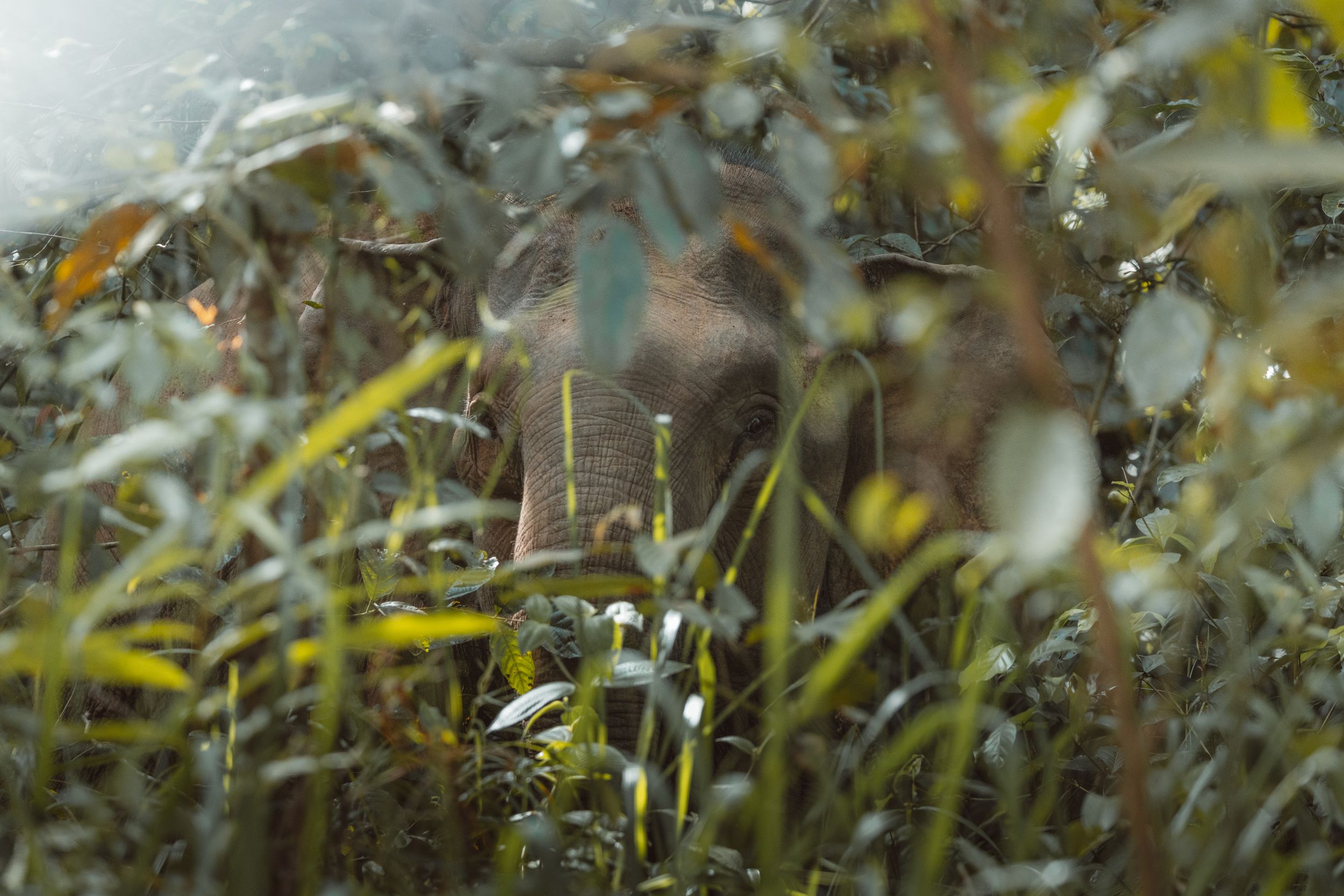
Reaching Danum Valley already feels like part of the adventure. From Lahad Datu, it takes around two and a half hours by 4x4 vehicle to reach the protected rainforest area. Along the way, we got incredibly lucky and spotted a herd of wild Bornean pygmy elephants crossing through the forest, which immediately set the tone for the experience ahead.
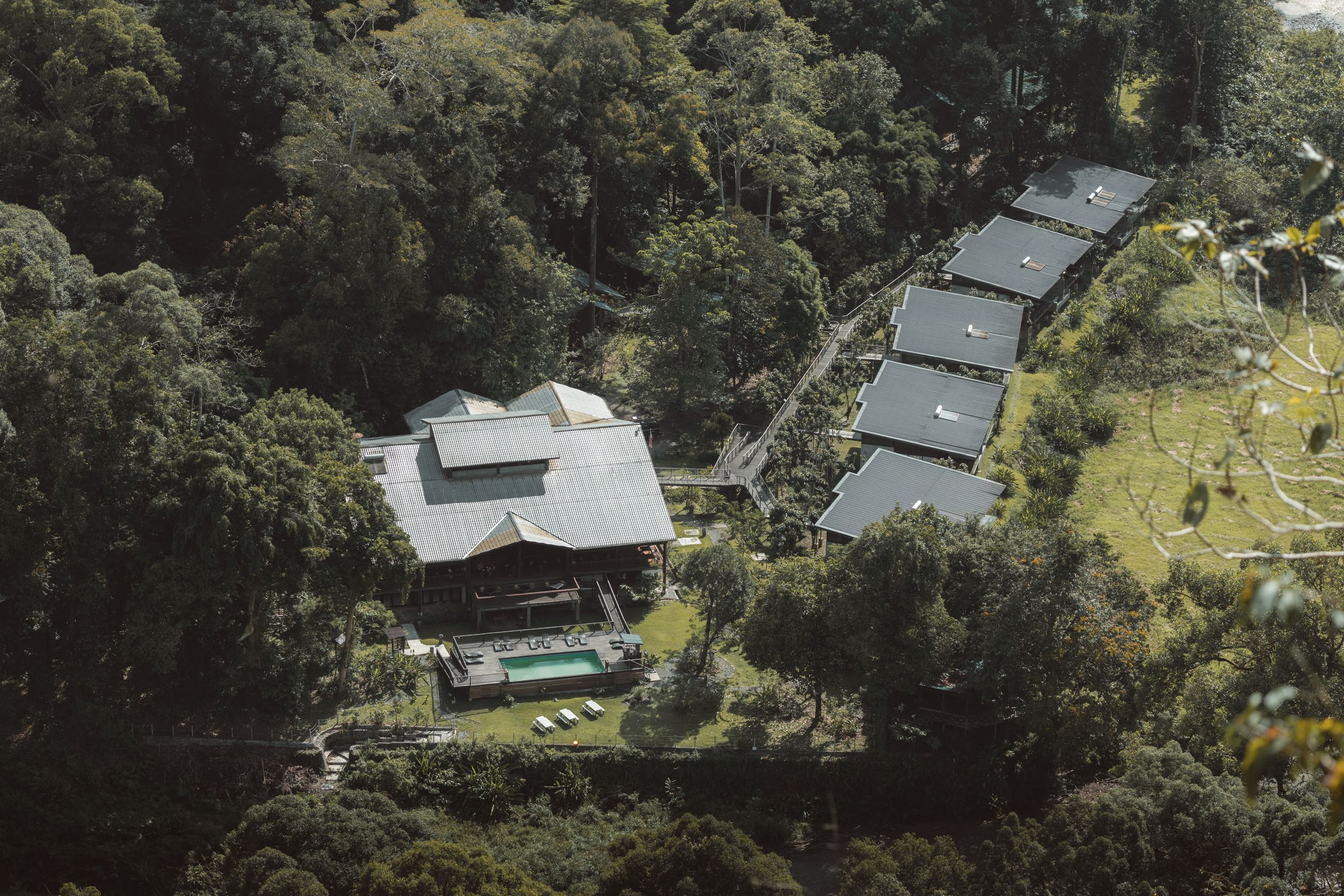
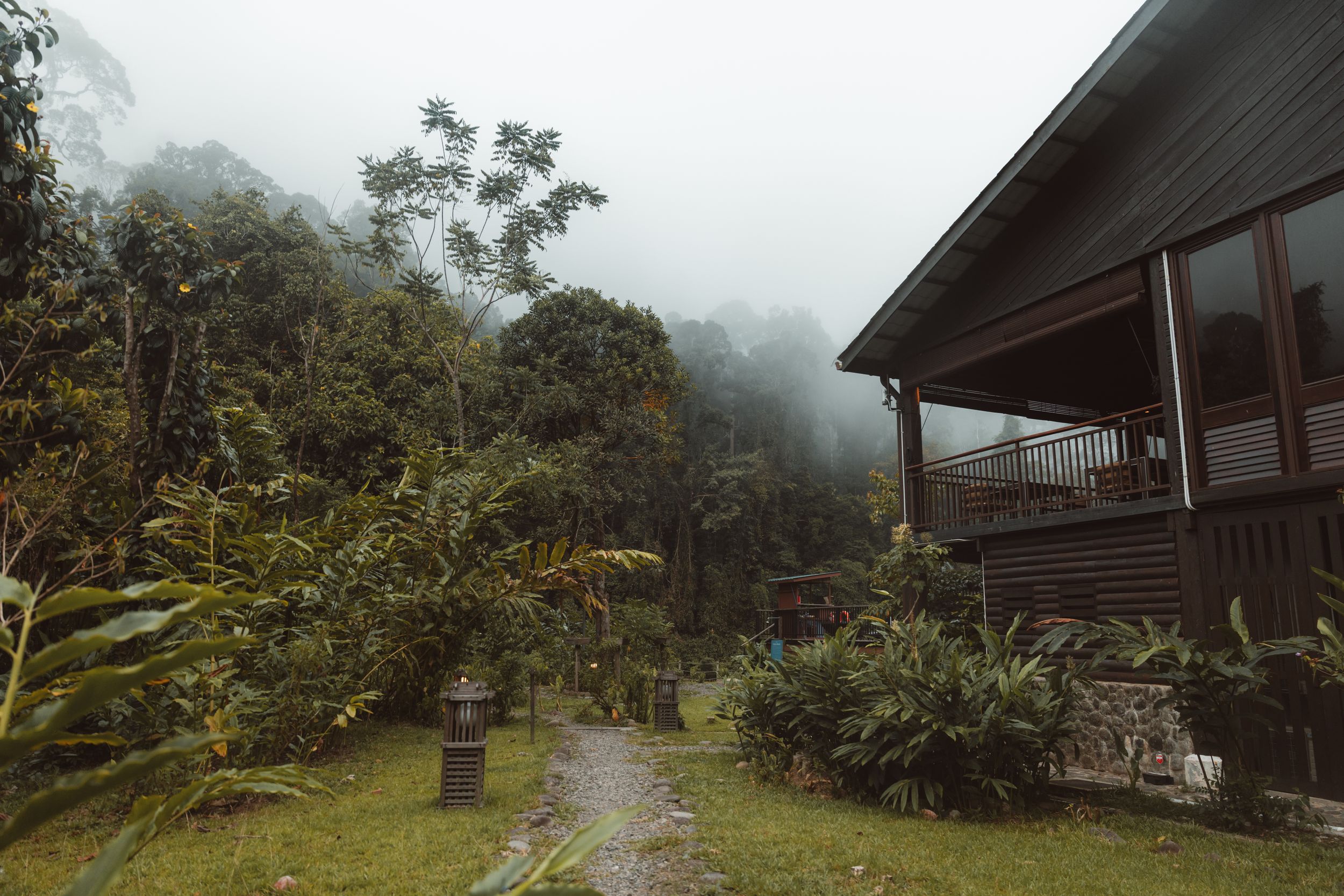
For the next three nights, I stayed at Borneo Rainforest Lodge, and honestly, it’s one of the most impressive rainforest lodges I’ve experienced anywhere in the world.
Arriving there felt almost cinematic. Surrounded entirely by dense jungle, hearing gibbons calling in the distance while the river flowed nearby, it genuinely felt like stepping into Jurassic Park. At the same time, the lodge manages to create an incredibly luxurious and peaceful atmosphere that reminded me of some of the high-end safari lodges you find in Africa.


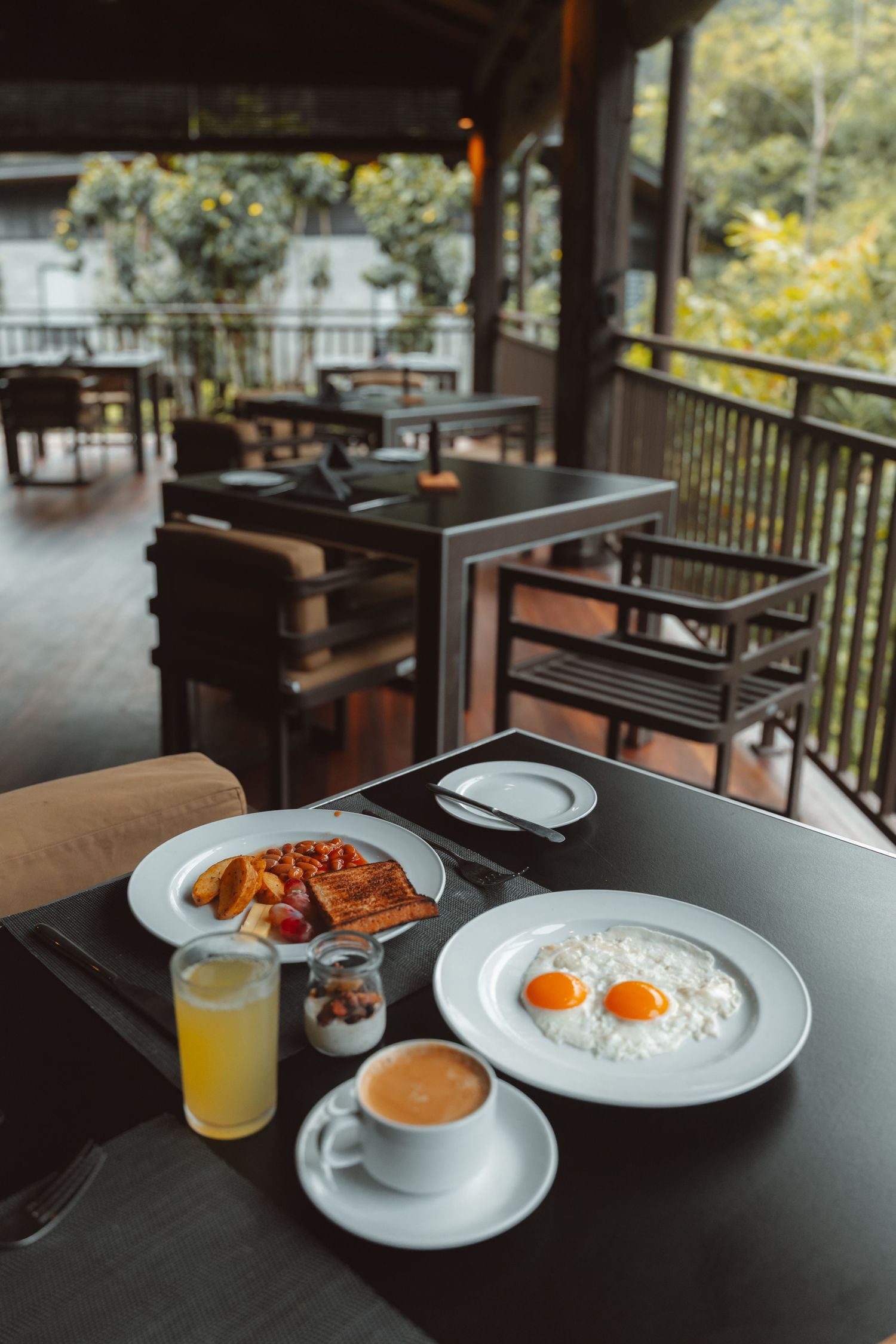
What stood out immediately was the level of service. The guides and staff somehow knew everyone by name almost instantly, and the overall hospitality throughout the stay was exceptional.
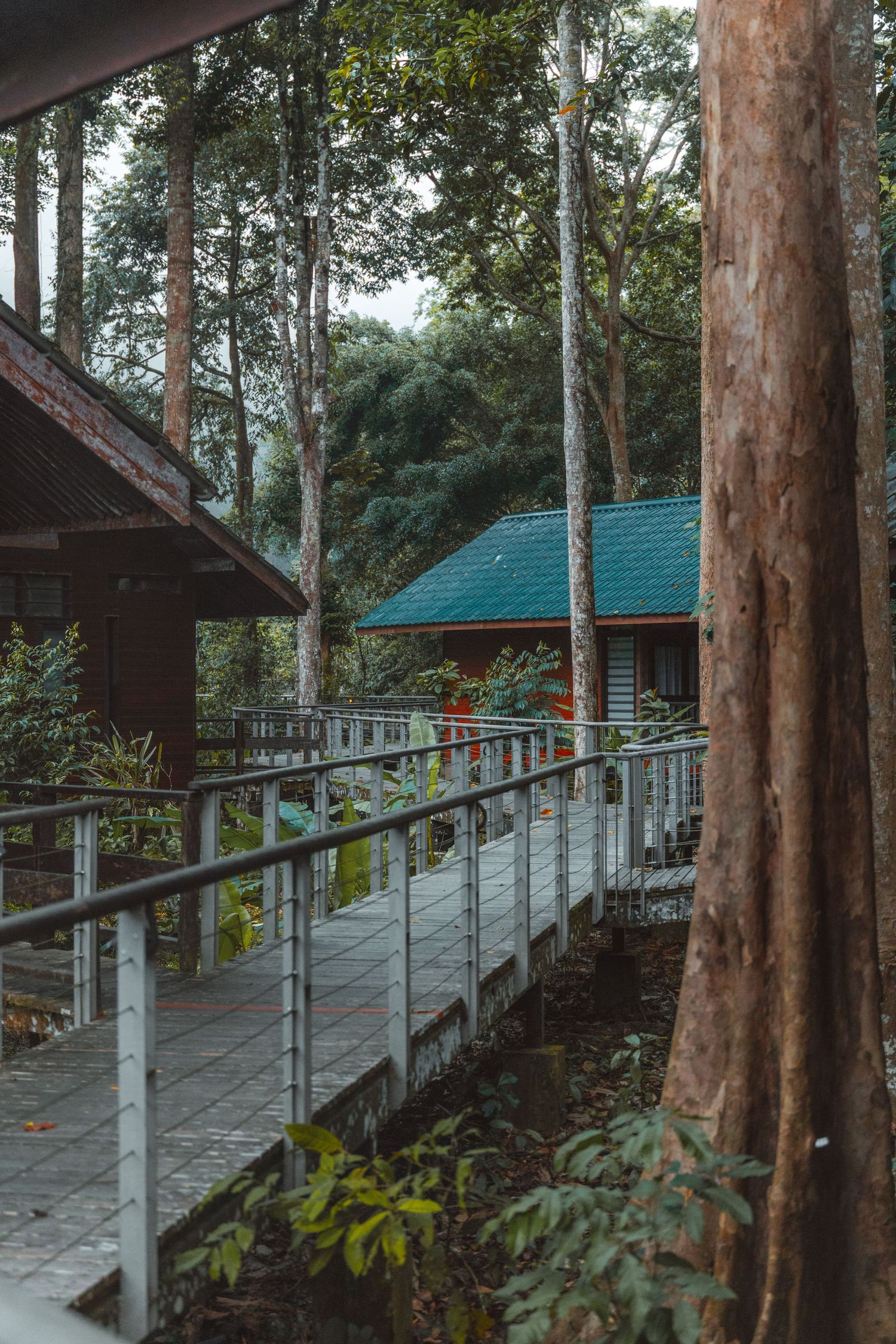
The lodge itself blends beautifully into the rainforest environment with wooden architecture, open-air spaces, and views directly into the surrounding jungle canopy.
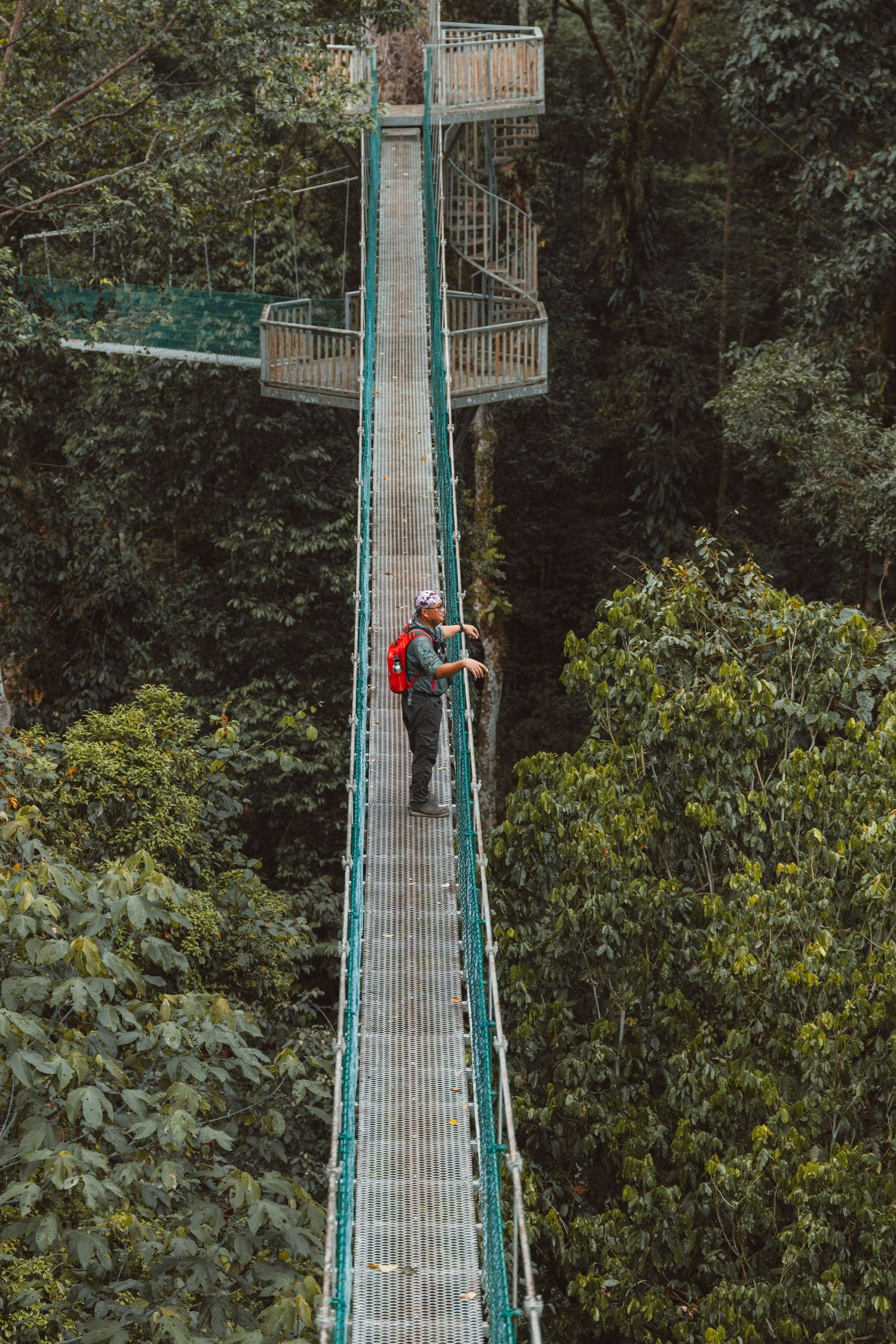
One of the highlights of the property is the famous canopy walkway system suspended high above the rainforest floor. If you’re afraid of heights, this might challenge you a little, but the views from up there are absolutely spectacular. We visited the canopy walkway during sunset and again at night while searching for wildlife, including the famous flying squirrels gliding through the darkness between trees.
Danum Valley is all about immersion into the rainforest. Days are usually spent hiking through dense jungle trails, crossing hanging bridges, climbing through humid terrain, and constantly scanning the forest for wildlife. The hikes can definitely be physically demanding due to the humidity, but the guides do a fantastic job adjusting groups based on fitness levels and comfort.
The wildlife here was incredible.
Over the course of several days we spotted:
- Rhino hornbills
- Flying squirrels
- Civets
- Frogs
- Spiders
- Deer
- Pythons
- Countless bird species
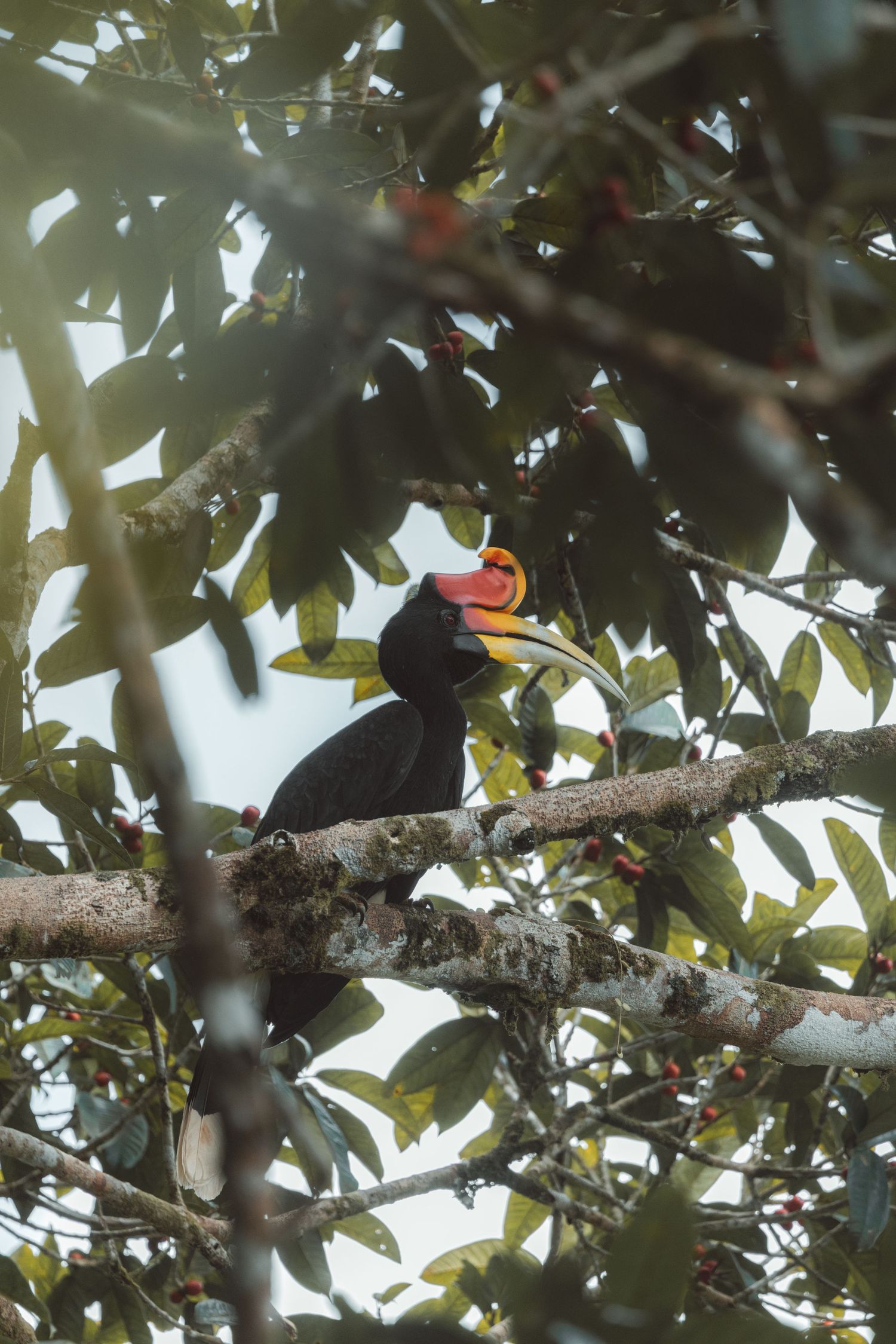
And then came the moment I’ll probably never forget.
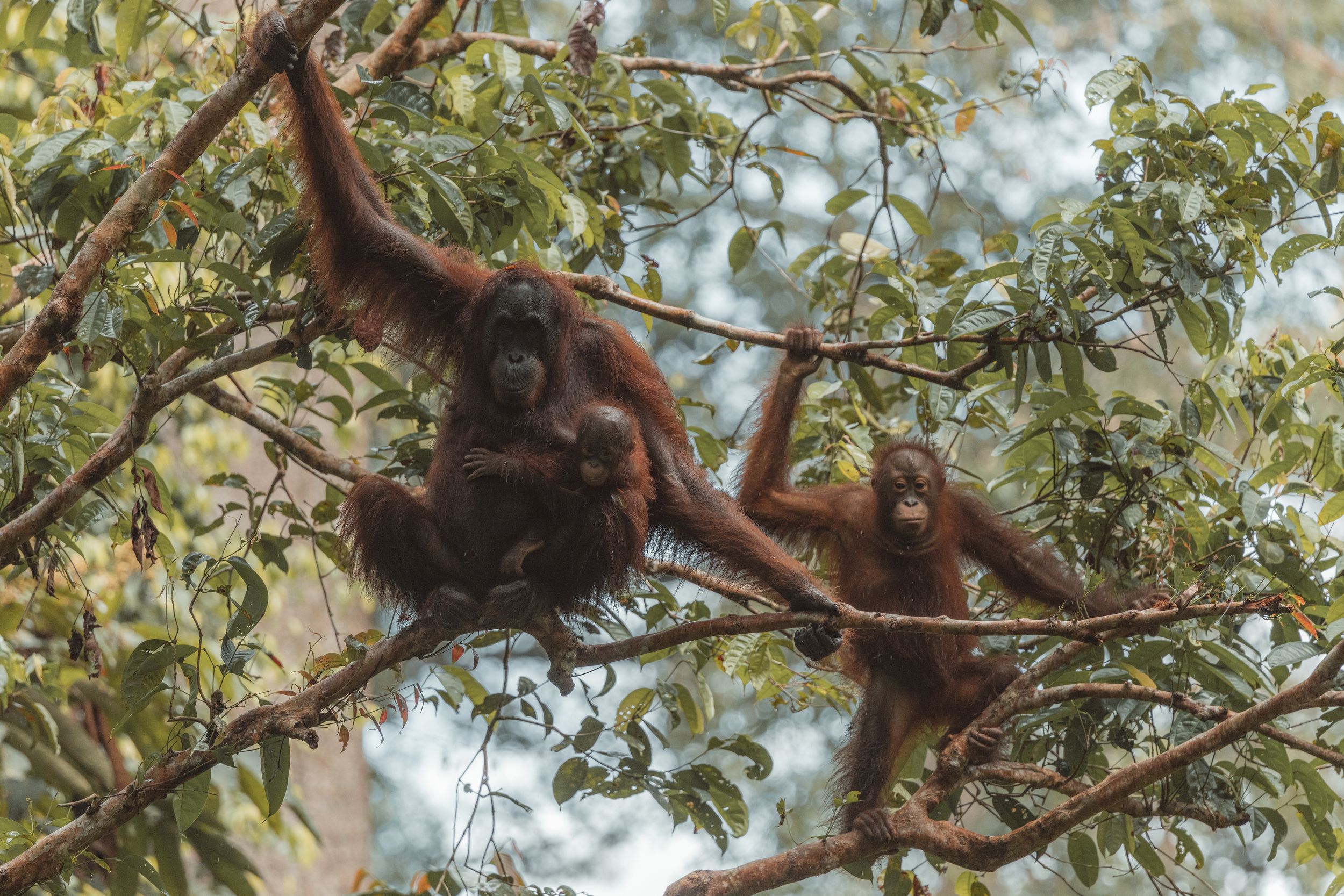
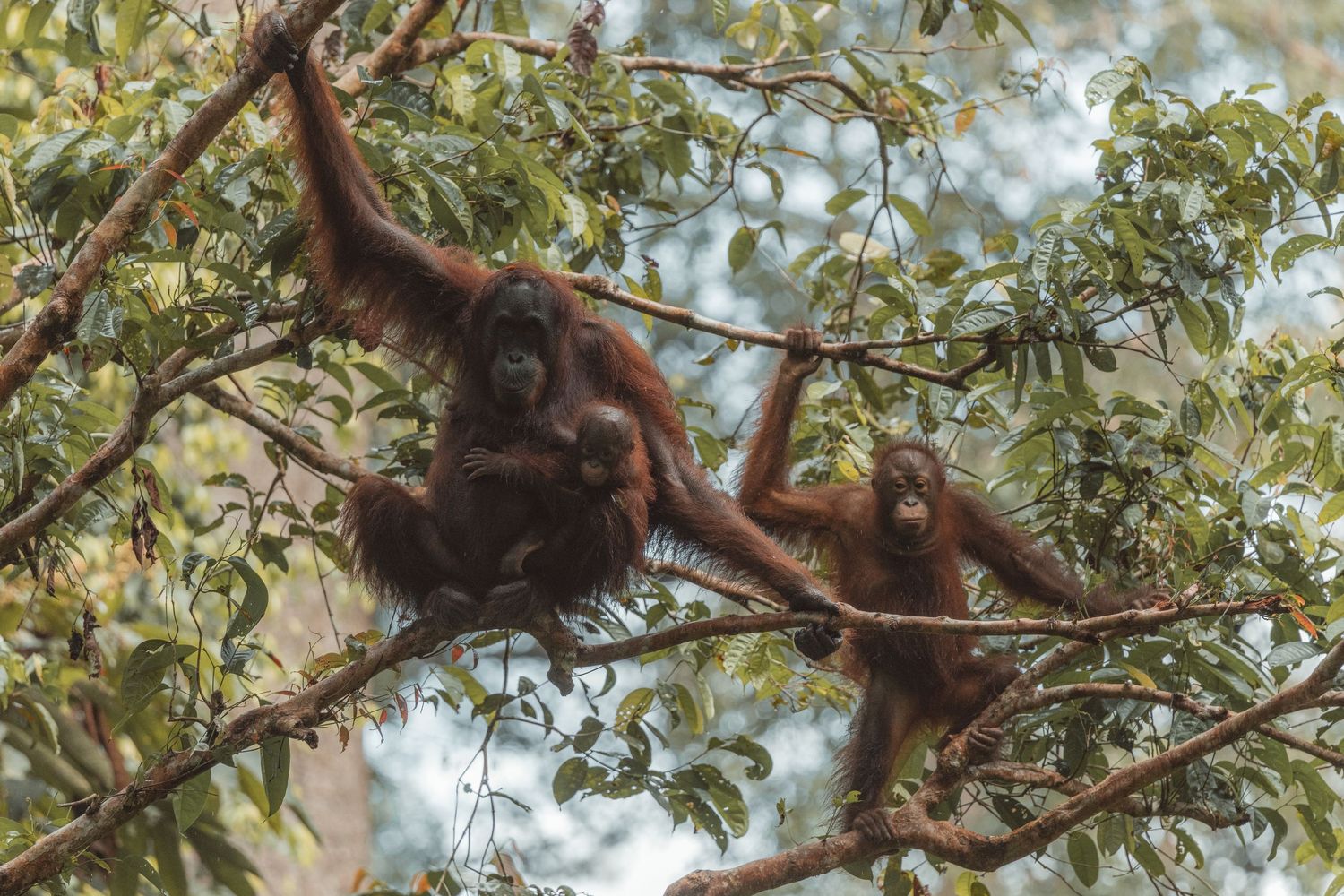
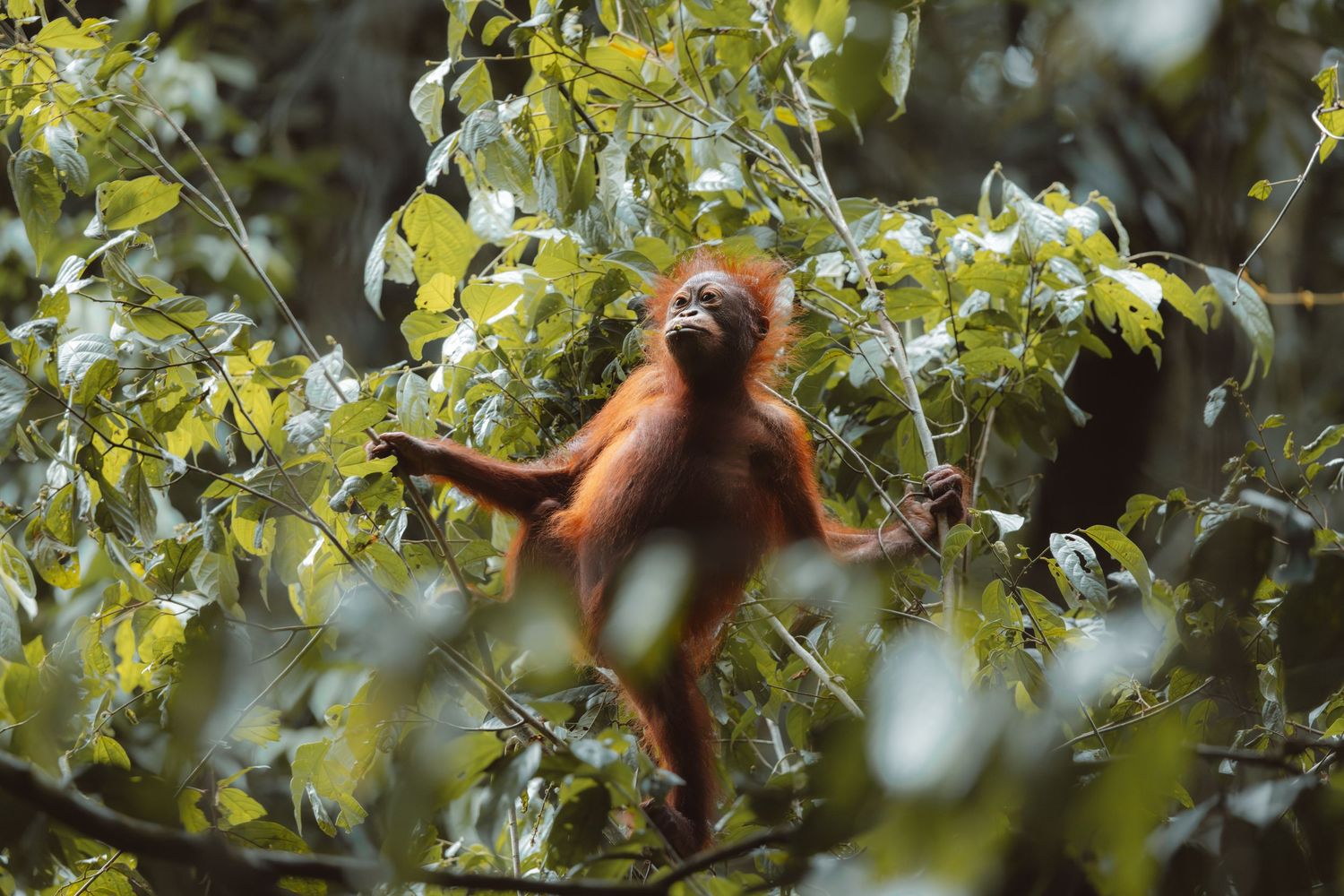
After several attempts searching through the rainforest, researchers nearby eventually located wild orangutans in the forest canopy. Watching a mother orangutan move carefully through the dense jungle with her baby was easily one of the highlights of the entire trip.
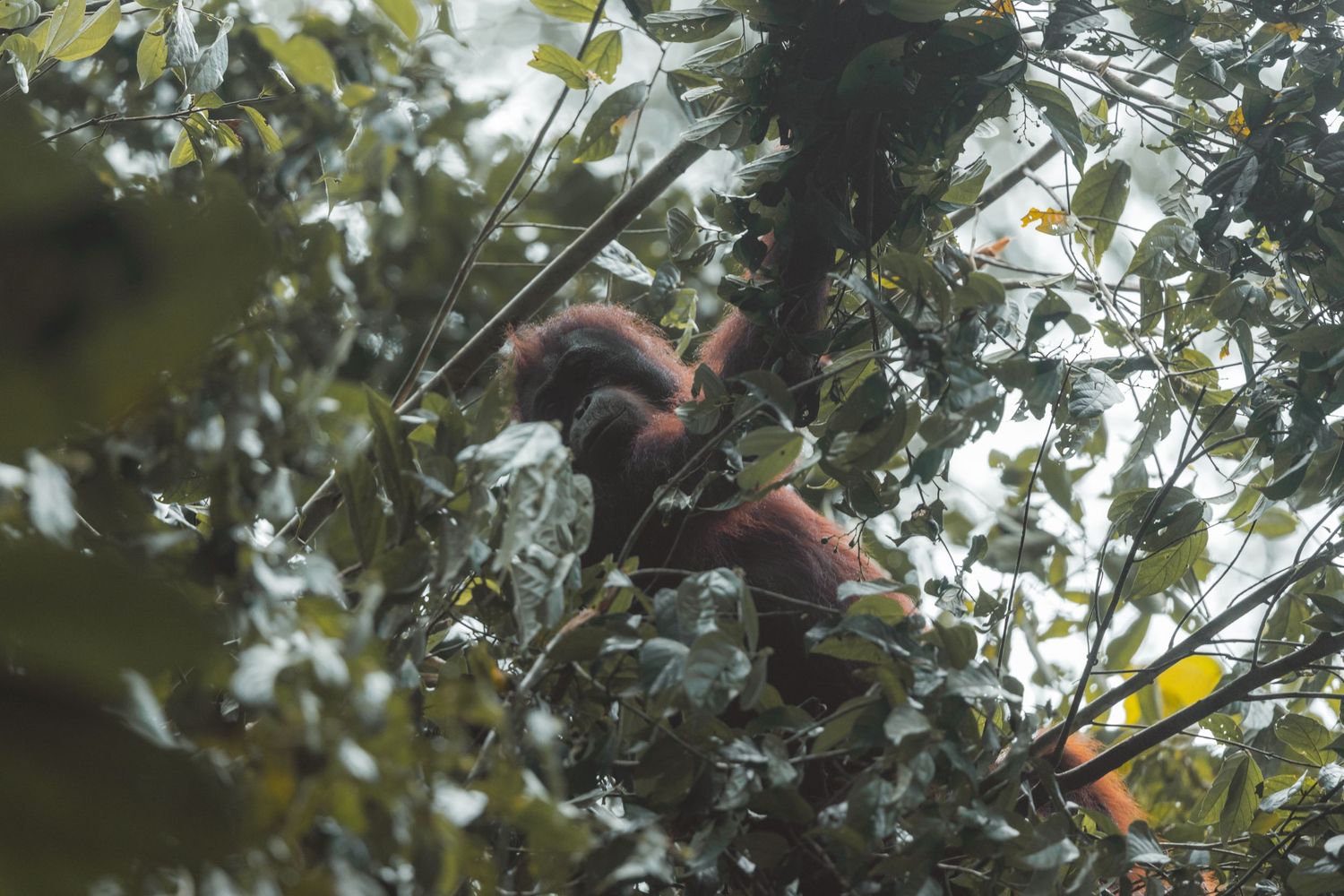
As a photographer, Danum Valley is both rewarding and incredibly challenging. The rainforest is extremely dense, light conditions change constantly, and wildlife often appears deep within the forest canopy. A longer telephoto lens is almost essential here, and bringing a tripod can make a huge difference in low-light situations.
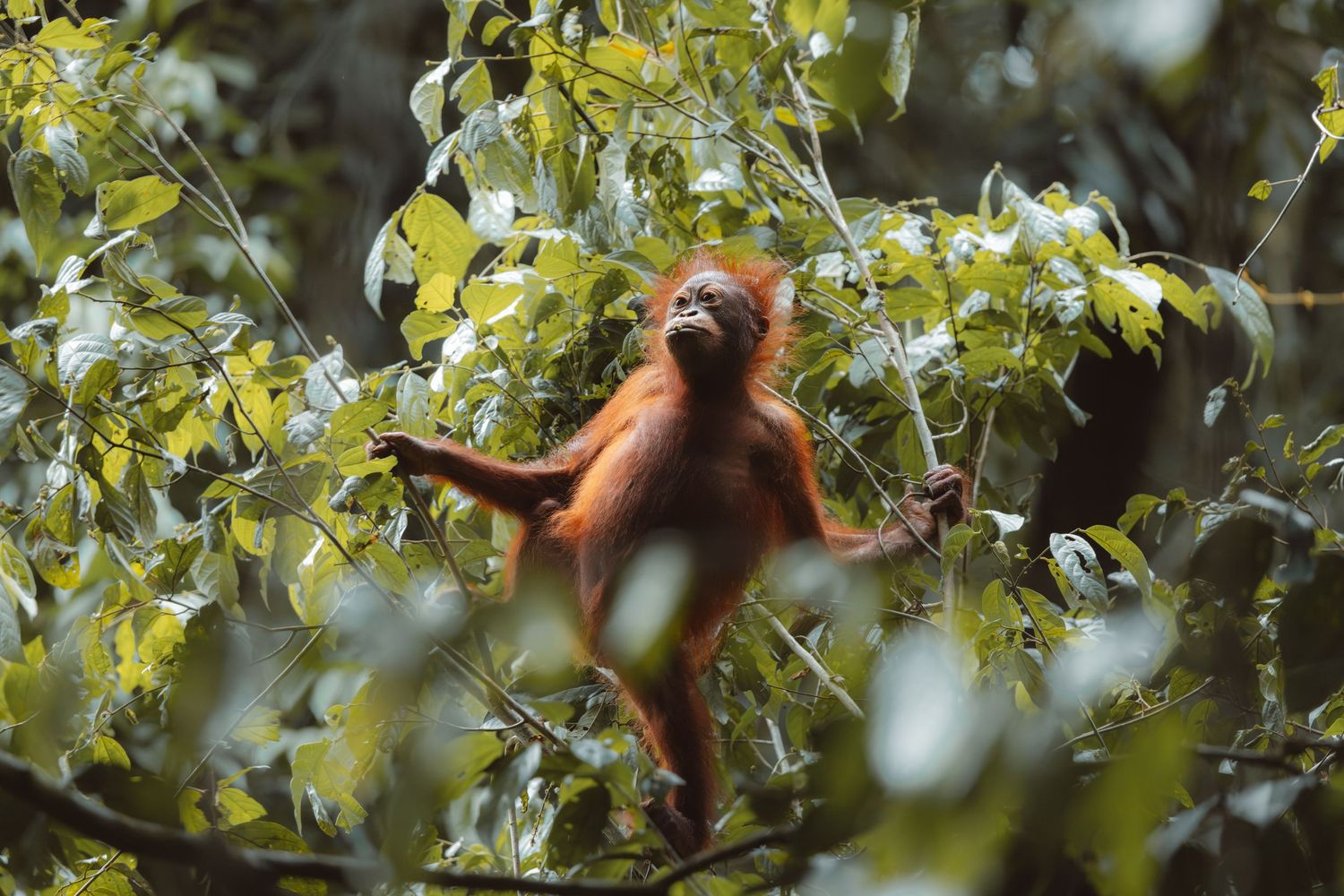
One of my favorite images from the trip came from that final orangutan encounter, watching the baby orangutan climb through the branches while trying to hold onto a tiny tree swaying back and forth through the jungle.
The evenings at the lodge were just as memorable. Peaceful dinners surrounded by fellow travelers from around the world, sudden tropical rain showers rolling through the rainforest, stars appearing above the canopy, and the constant sounds of the jungle in the background made the entire experience feel incredibly special from start to finish.
Beneath the Surface: Sipadan & Seaventures
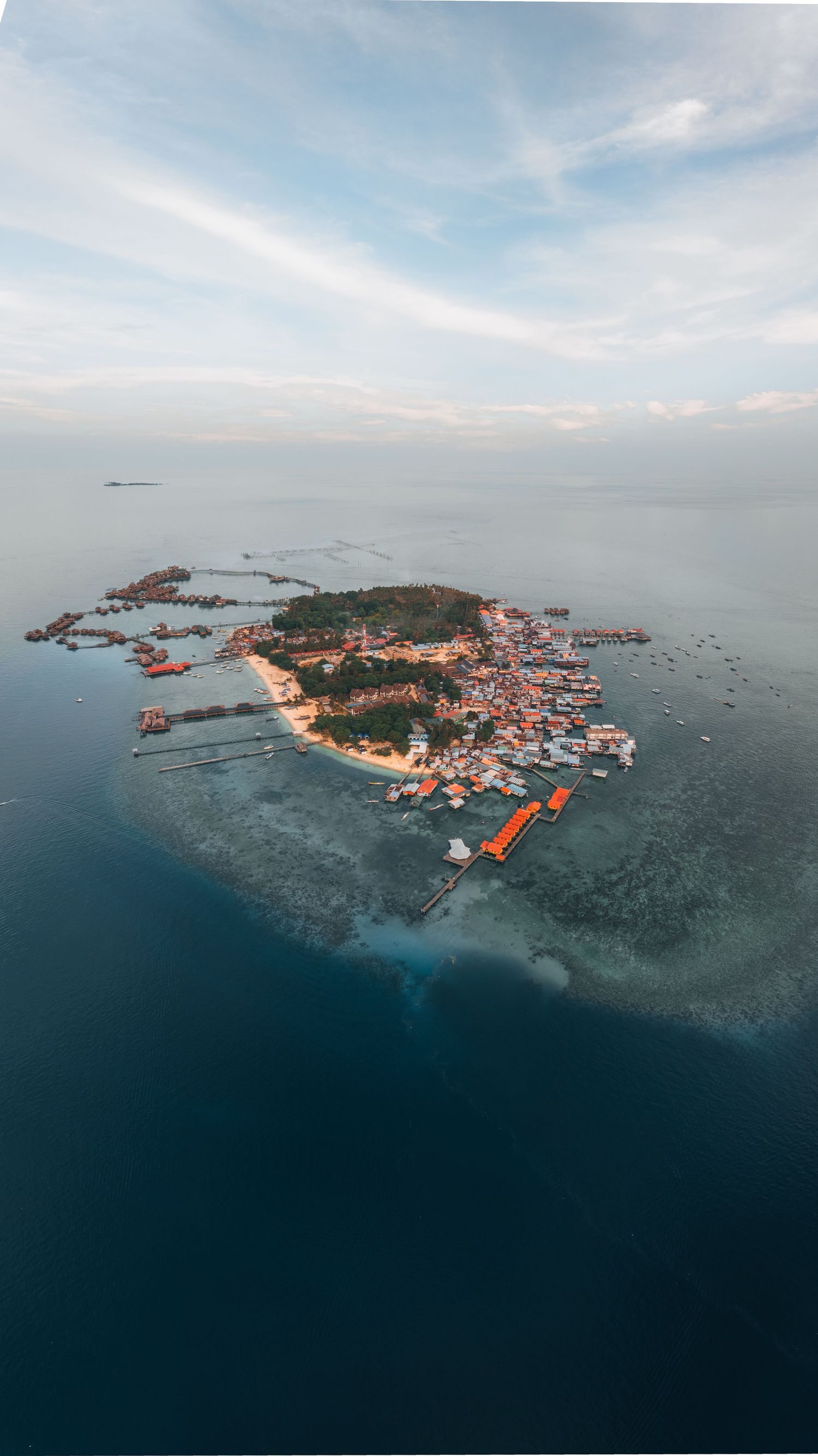
The final chapter of the journey brought me from the rainforest down toward the southeastern coastline near Semporna.
After several hours of driving, the landscape suddenly transforms from dense jungle into tropical islands and turquoise water.
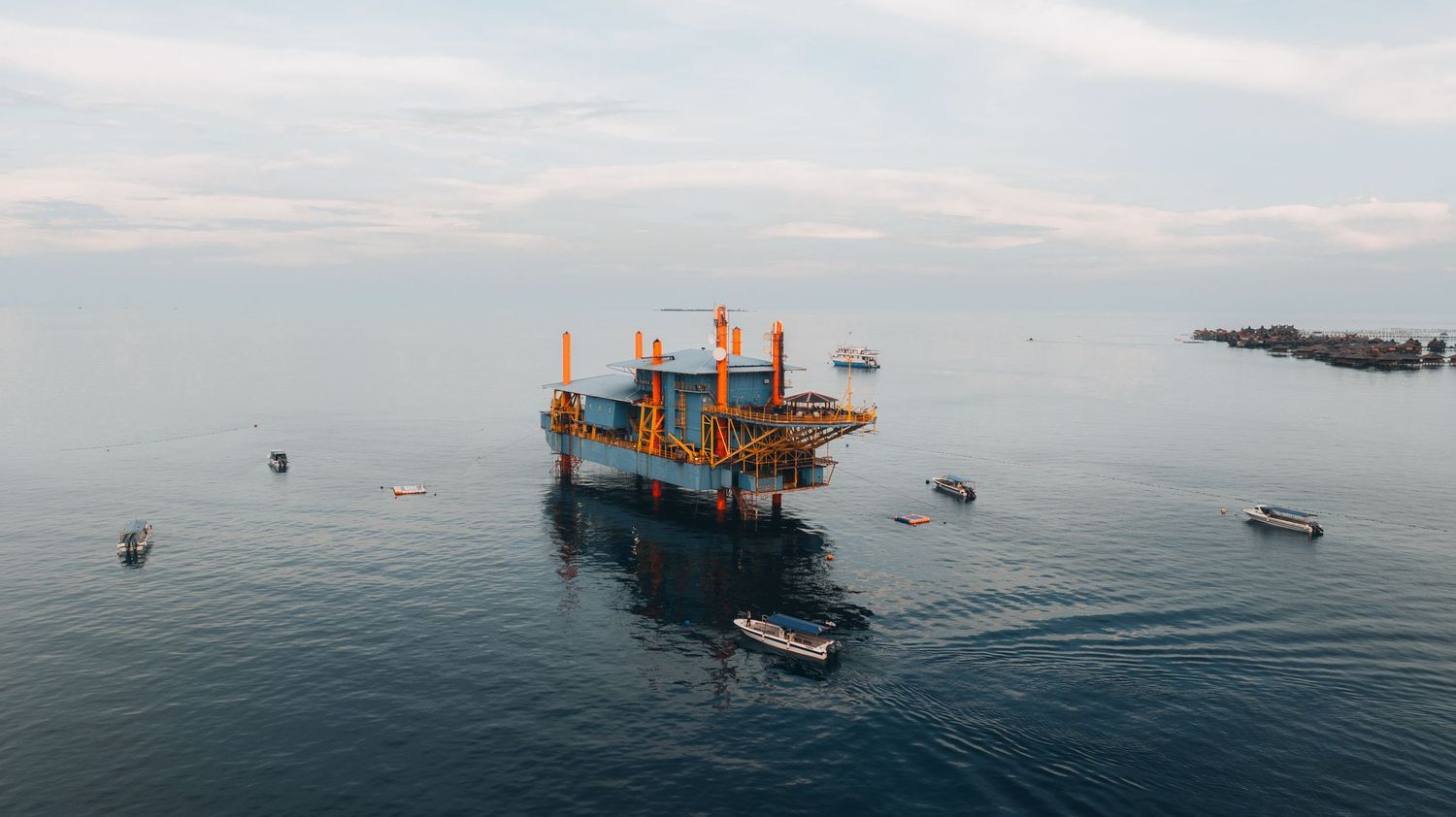
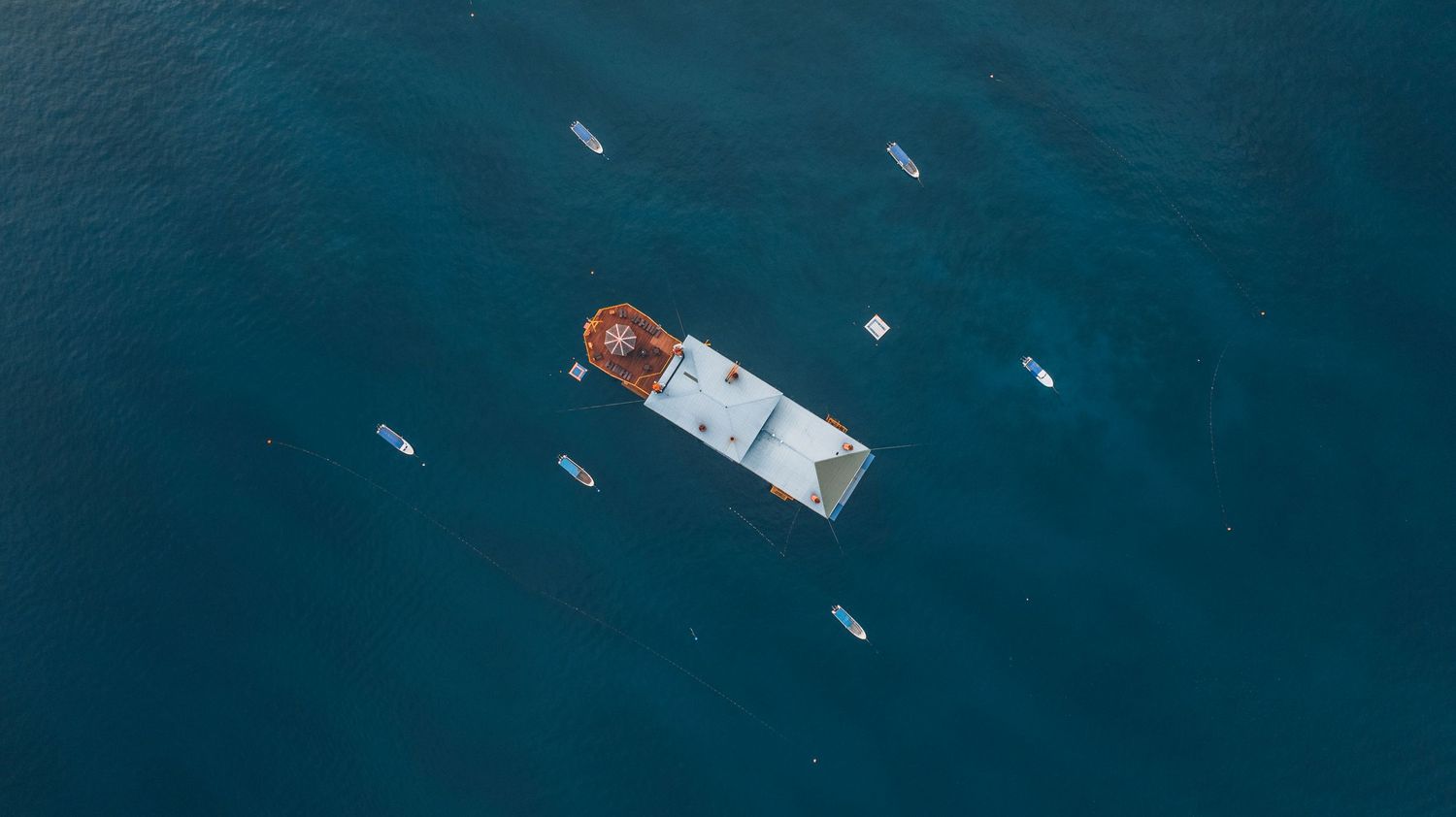
For the last part of the trip, I stayed aboard the Seaventures Dive Rig, a converted offshore oil rig turned into one of the most unique dive accommodations in Sabah.
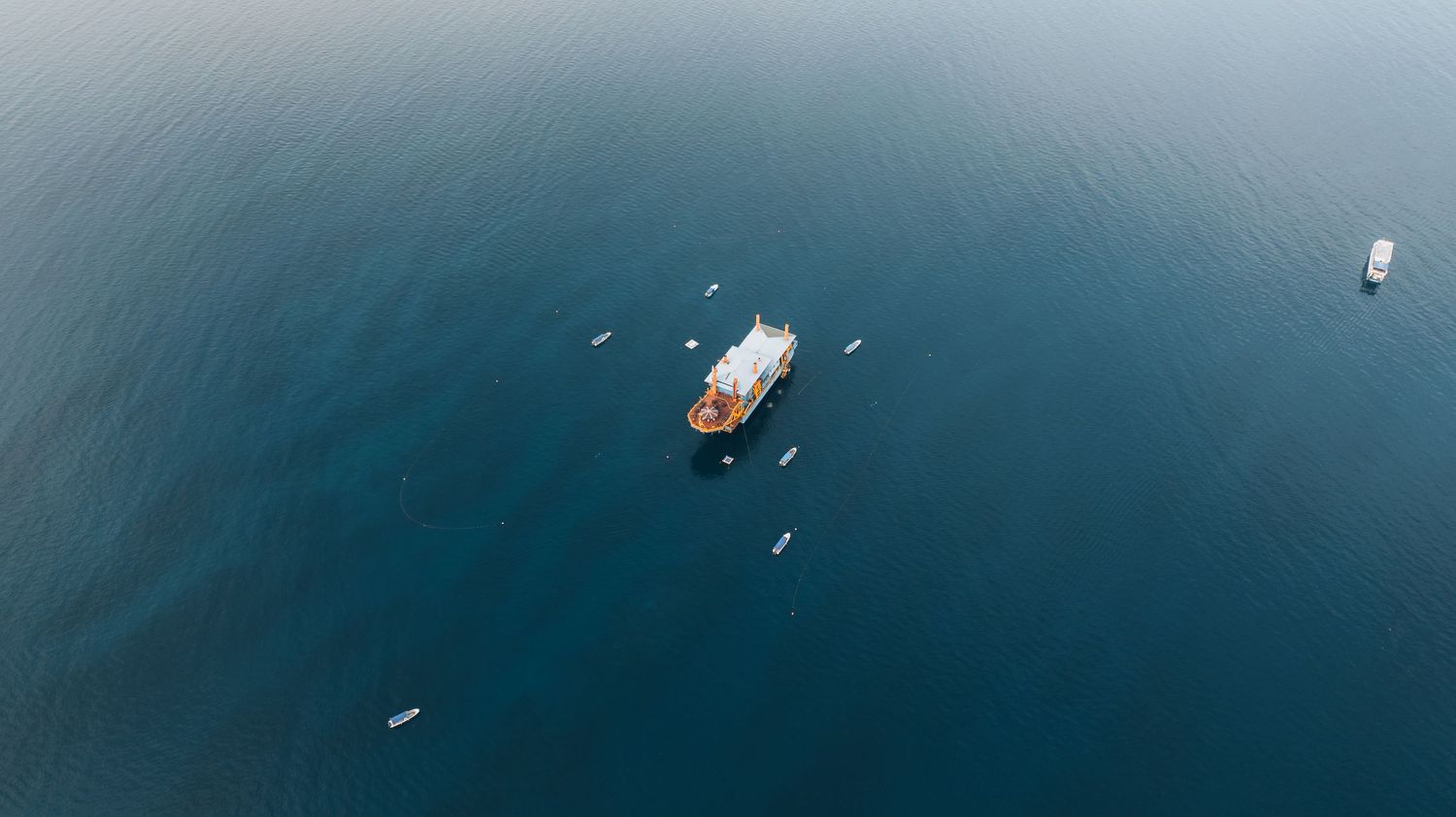
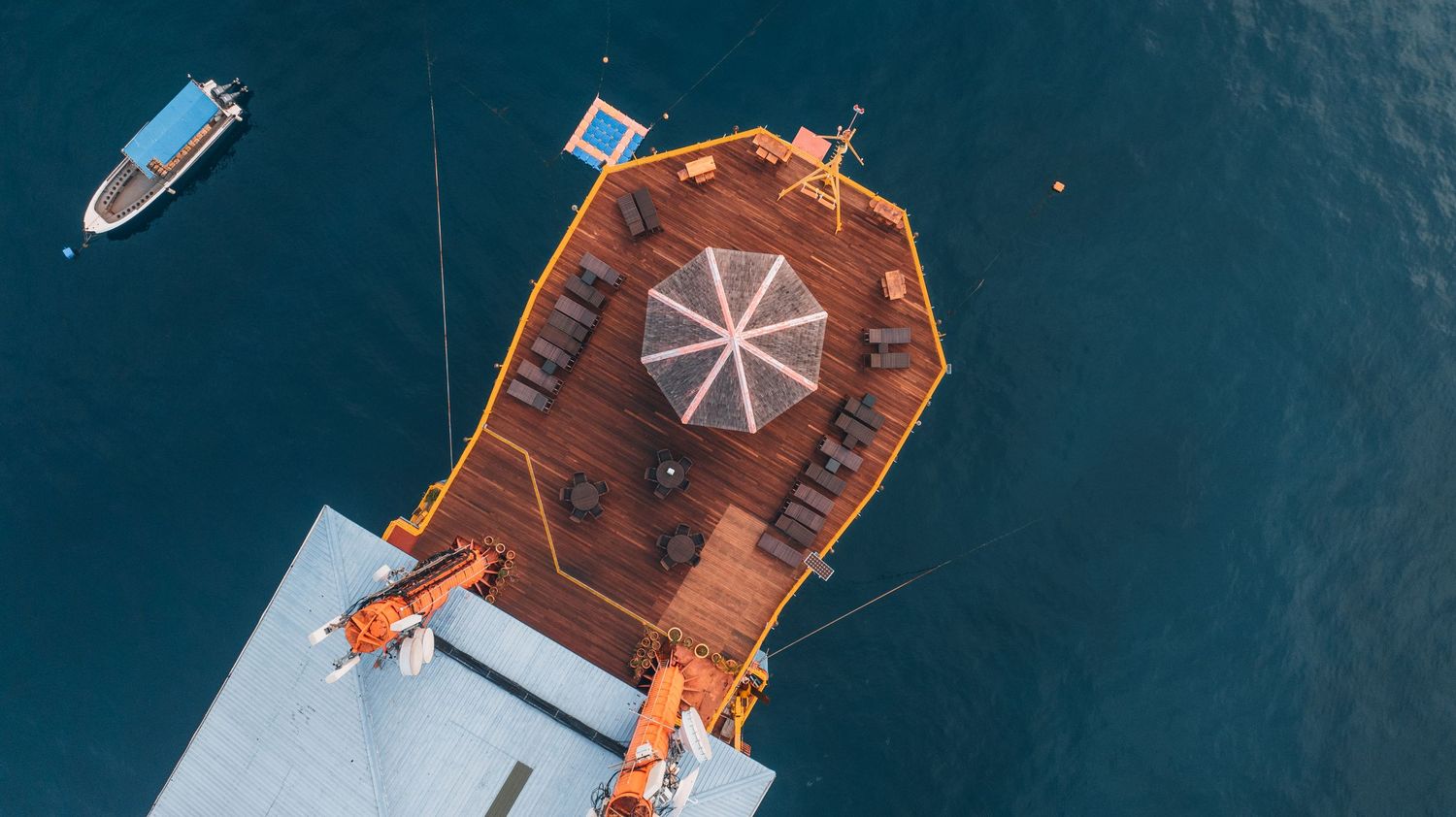
The atmosphere here is completely different from the rainforest lodges. Everyone staying on the rig shares the same passion for diving, which creates a very social and welcoming environment almost instantly, even for solo travelers.
One of the coolest parts about staying here is having direct access to the house reef below the rig itself. Together with your dive buddy, you can simply head down and explore the reef almost whenever conditions allow.
But the real highlight, of course, is visiting Sipadan Island, one of the most famous dive sites in the world.
And yes, it absolutely lives up to the hype.
The coral life here is spectacular, and every dive feels different depending on currents and visibility. During our dives we encountered massive schools of barracuda, huge groups of jackfish, turtles drifting through the reef, and endless marine life surrounding the walls of Sipadan.
Even on rougher days, simply being able to dive in a place like Sipadan feels incredibly special.
After spending days deep inside the rainforest searching for wildlife in the trees, ending the journey underwater somehow felt like the perfect finale to the Sabah experience.
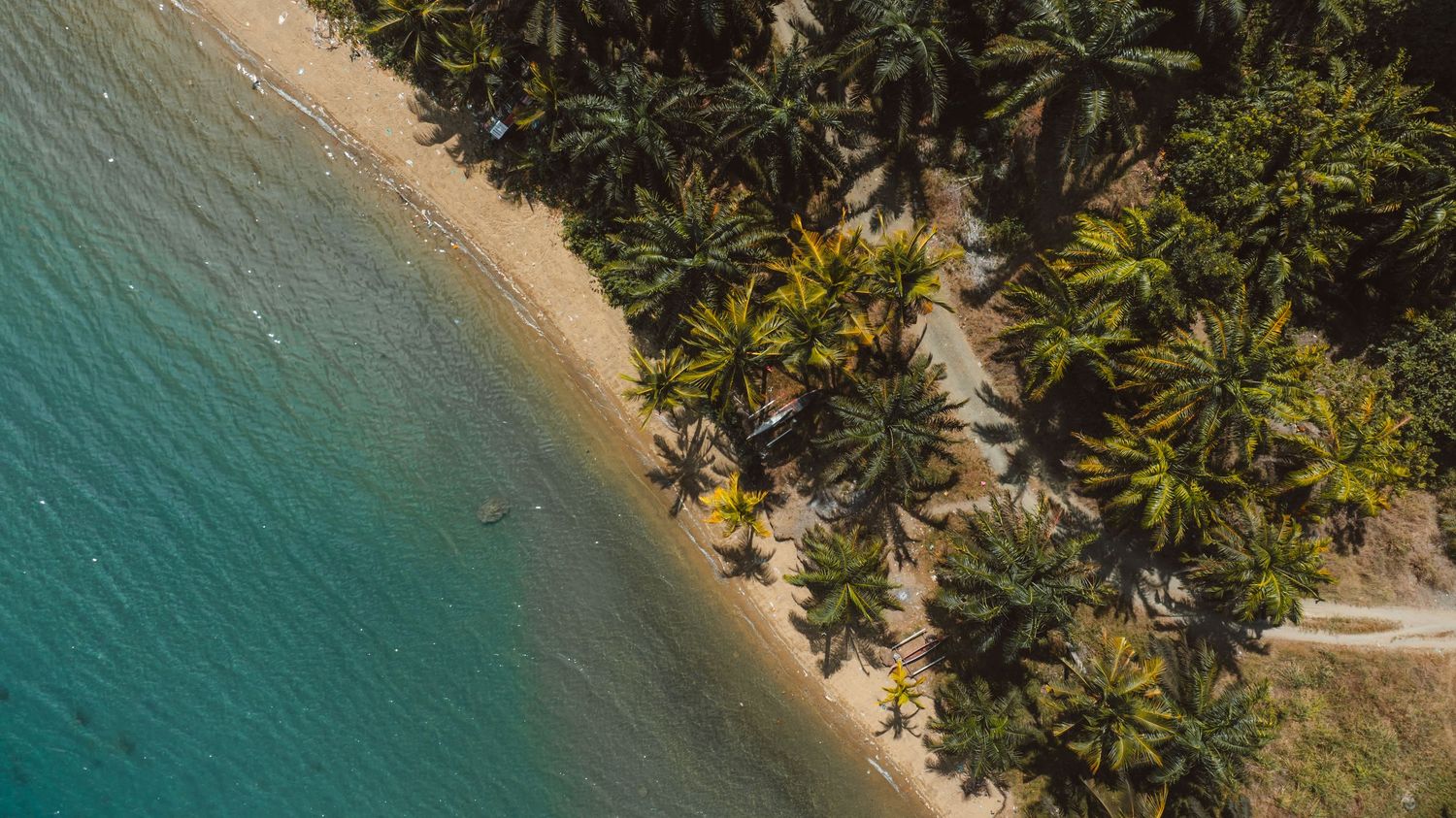
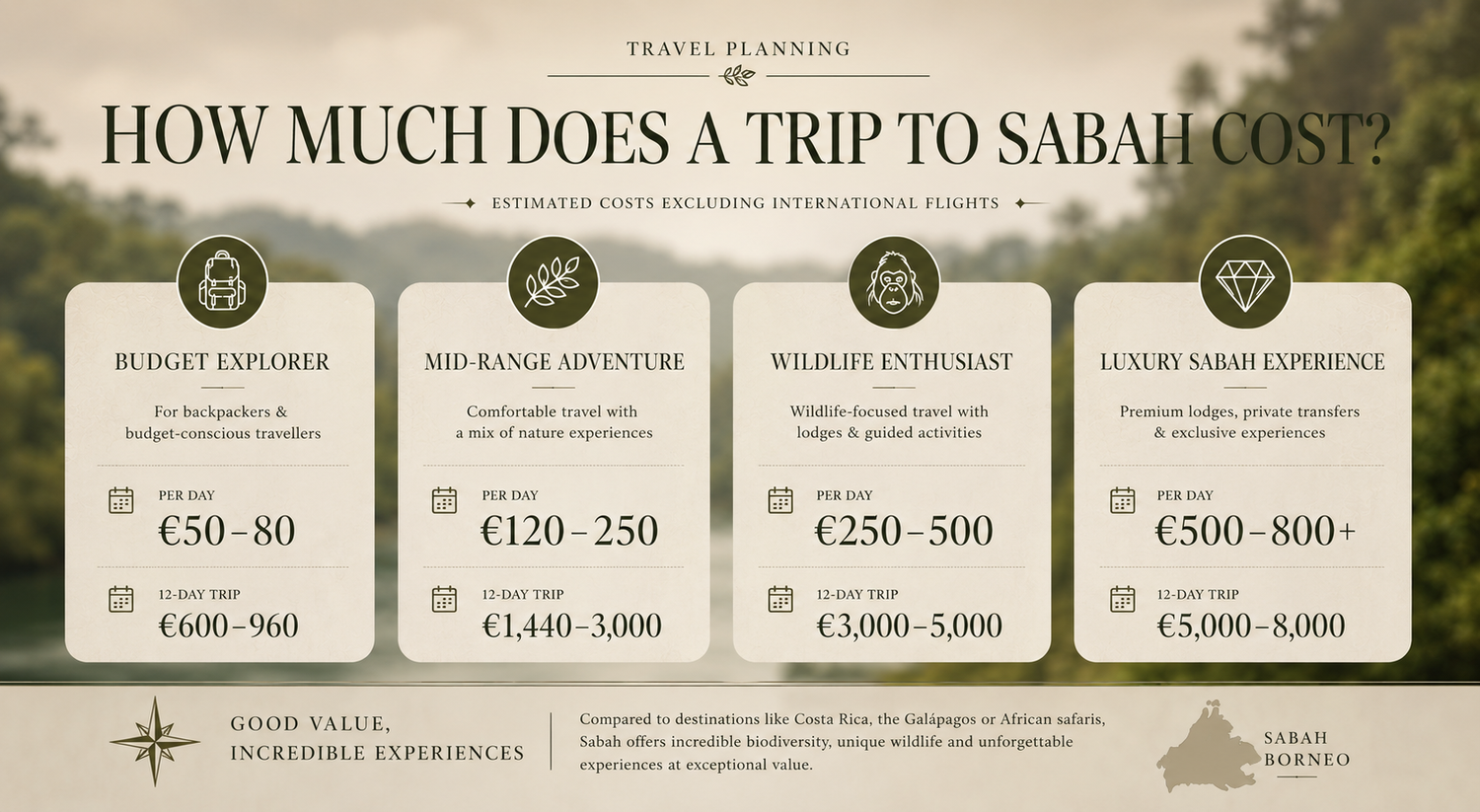
Sabah can be surprisingly affordable compared to many other wildlife destinations around the world. While costs vary depending on your travel style, here is a rough estimate for a 10-14 day trip.
Typical Costs:
- Local meals: €2-8
- Restaurant meals: €8-20
- Domestic flight (Kota Kinabalu–Sandakan): €20-60
- Kinabatangan River lodge: €100-300 per night including activities
- Danum Valley conservation fee: approximately €20-25
- Danum Valley accommodation: €250-700+ per night depending on lodge
- Diving around Semporna: €80-200 per day
- Sipadan permit: additional fees apply and permits are limited
For most travellers, a well-rounded 12-day Sabah itinerary including wildlife experiences, rainforest lodges, domestic flights and a few guided activities will typically cost between €1,500 and €3,500 per person, excluding international flights.
Is Sabah Worth It?
If you're looking for orangutans, pygmy elephants, ancient rainforest, world-class diving and some of the richest biodiversity on Earth, Sabah offers incredible value compared to destinations like Costa Rica, the Galápagos or African safari destinations. It remains one of Southeast Asia's most rewarding destinations for wildlife lovers and nature photographers.
Final thoughts
What makes Sabah so unique is the incredible diversity packed into one destination.
Within less than two weeks, I experienced:
- ancient rainforests
- endangered wildlife
- river safaris
- world-class diving
- luxury jungle lodges
- remote coral reefs
- vibrant local culture
and some of the most immersive nature experiences I’ve had in years
What I personally loved most was how naturally Sabah combines rainforest and ocean experiences into a single trip. One moment you’re hiking through dense jungle searching for orangutans, the next you’re diving alongside turtles and barracuda in crystal-clear water.
Sabah feels adventurous, raw, immersive, and still incredibly authentic.
It’s a destination I’d especially recommend for:
- wildlife photographers
- nature lovers
- divers
- solo travelers
- couples
- adventure travelers
and anyone looking for an experience that goes far beyond a typical tropical holiday
And maybe one of the most underrated parts of the journey was simply the people. From guides and lodge staff to taxi drivers and fellow travelers, being able to genuinely connect and communicate with people throughout the trip made the experience feel even more personal and memorable.